What the world's money is actually in
No entries match that search.
STANDING PAGE · UPDATED THROUGH THE DAY
The Asset Board
Gold, silver, the biggest public companies and Bitcoin, ranked by what the market says they are worth — Bitcoin currently sits at #12.
STANDING PAGE · LIVE
The Bitcoin Board
Block height, supply, difficulty, the mempool and the next halving — the network's own numbers, live while you watch.
STANDING PAGE · UPDATED THROUGH THE DAY
Bitcoin Treasuries
Public companies, miners, ETFs, countries, private companies and DeFi protocols — 3,584,045 BTC, ranked by who holds it.
STANDING PAGE · UPDATED THROUGH THE DAY
The Crypto Heat Map
The top 100 coins by market cap, grouped into Bitcoin & Derivatives, Infrastructure & Platform, and Others, colour-graded by how much each has moved — Bitcoin currently holds 59% of it.
STANDING PAGE · LIVE
Bitcoin vs. Humanity
Every person alive, set against a currency that cannot print more of itself — satoshis per person on Earth, and what happens if all the world's wealth wanted in.
STANDING PAGE · UPDATED THROUGH THE DAY
Money Worldwide
Exchange rates, money supply, reserves and gold, and global debt & GDP — with Bitcoin's own market cap set against every one of them.
 OCTOBER 8, 2026
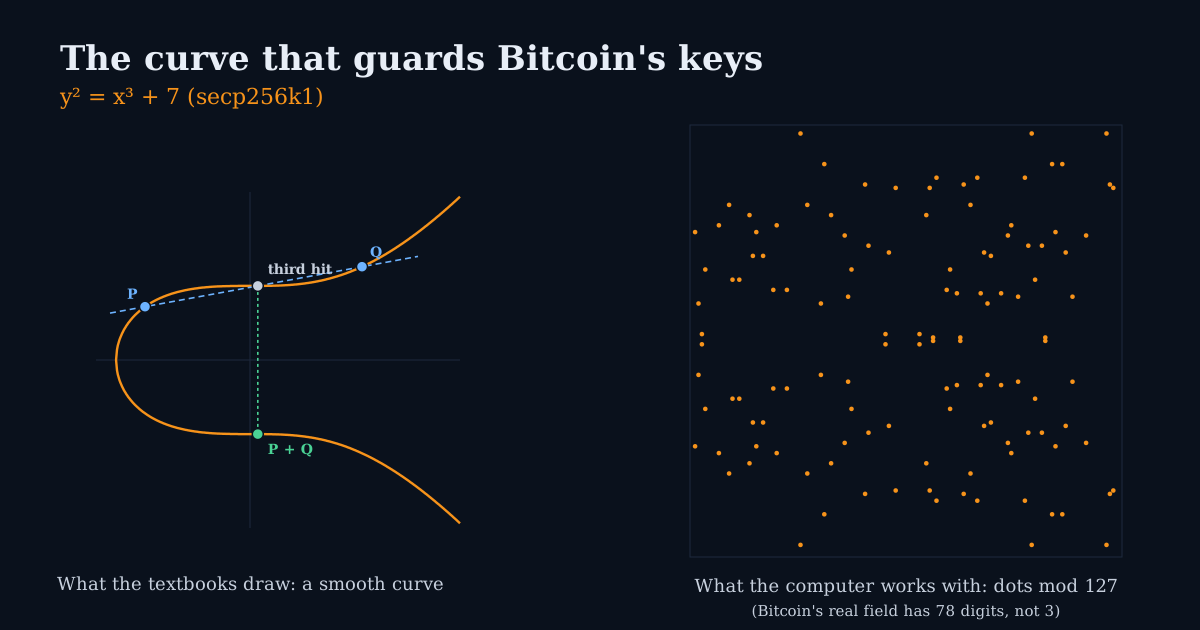
One Door, Two Keys: What Quantum Computers and Super Intelligence Could Actually Do to Bitcoin
A famous cryptographer said "we might lose public key cryptography," and Bitcoiners heard their own signature scheme in it. The thread turned out to be about Super Intelligence (SI) maths as much as quantum computers. The honest version is narrower: ECDSA and Schnorr are one door with two kinds of key, most coins are protected by a hash rather than a curve, and what differs between the two threats is warning time, not which door is at risk.
OCTOBER 8, 2026
One Door, Two Keys: What Quantum Computers and Super Intelligence Could Actually Do to Bitcoin
A famous cryptographer said "we might lose public key cryptography," and Bitcoiners heard their own signature scheme in it. The thread turned out to be about Super Intelligence (SI) maths as much as quantum computers. The honest version is narrower: ECDSA and Schnorr are one door with two kinds of key, most coins are protected by a hash rather than a curve, and what differs between the two threats is warning time, not which door is at risk.
 OCTOBER 8, 2026
Will the US Government Really Start Buying Stocks? Checking Cem Karsan's "Big Print" Call
A 69-minute interview says the US will print money and buy stocks through a sovereign wealth fund, probably after the midterms and after a 25 to 35 percent crash. The headline is bolder than the speaker. Here is what he actually argues, which pieces check out, and which pieces do not follow.
OCTOBER 8, 2026
Will the US Government Really Start Buying Stocks? Checking Cem Karsan's "Big Print" Call
A 69-minute interview says the US will print money and buy stocks through a sovereign wealth fund, probably after the midterms and after a 25 to 35 percent crash. The headline is bolder than the speaker. Here is what he actually argues, which pieces check out, and which pieces do not follow.
 OCTOBER 7, 2026
Bitcoin Supply Shock: The Exchange Float
Bitcoin Magazine says the supply of Bitcoin on exchanges just hit a seven-month low and tells you to "plan accordingly." This is a standing page that tracks that number by hand, says which provider it came from, and keeps asking the awkward question: did the coins leave for good, or just for a different building?
OCTOBER 7, 2026
Bitcoin Supply Shock: The Exchange Float
Bitcoin Magazine says the supply of Bitcoin on exchanges just hit a seven-month low and tells you to "plan accordingly." This is a standing page that tracks that number by hand, says which provider it came from, and keeps asking the awkward question: did the coins leave for good, or just for a different building?
 OCTOBER 7, 2026
Robinhood Buys Its First Bitcoin, and the Executive Calls It a Rounding Error
Robinhood disclosed on 7 October 2026 that it bought about $25 million of Bitcoin for its own balance sheet, the first time it has ever done so. The company's own crypto chief says the position "is not going to change a lot of the current trajectory of the company." Held against Robinhood's size and against Strategy's pile, it is a gesture, and the interesting question is who the gesture is for.
OCTOBER 7, 2026
Robinhood Buys Its First Bitcoin, and the Executive Calls It a Rounding Error
Robinhood disclosed on 7 October 2026 that it bought about $25 million of Bitcoin for its own balance sheet, the first time it has ever done so. The company's own crypto chief says the position "is not going to change a lot of the current trajectory of the company." Held against Robinhood's size and against Strategy's pile, it is a gesture, and the interesting question is who the gesture is for.
 OCTOBER 7, 2026
Twenty-Eight Questions, Nine Thousand Answers
A $15 trillion asset manager footnoted a study saying AI models would save in Bitcoin and spend in stablecoins, and the footnote became a headline. I went to the study. Thirty-six chatbots, twenty-eight distinct questions, and a spread from 91.3% to 18.3% that tells you more about who trained the chatbot than about money. Then I checked what real AI agents are paying with today, and the number is smaller than anyone's slide deck.
OCTOBER 7, 2026
Twenty-Eight Questions, Nine Thousand Answers
A $15 trillion asset manager footnoted a study saying AI models would save in Bitcoin and spend in stablecoins, and the footnote became a headline. I went to the study. Thirty-six chatbots, twenty-eight distinct questions, and a spread from 91.3% to 18.3% that tells you more about who trained the chatbot than about money. Then I checked what real AI agents are paying with today, and the number is smaller than anyone's slide deck.
 OCTOBER 6, 2026
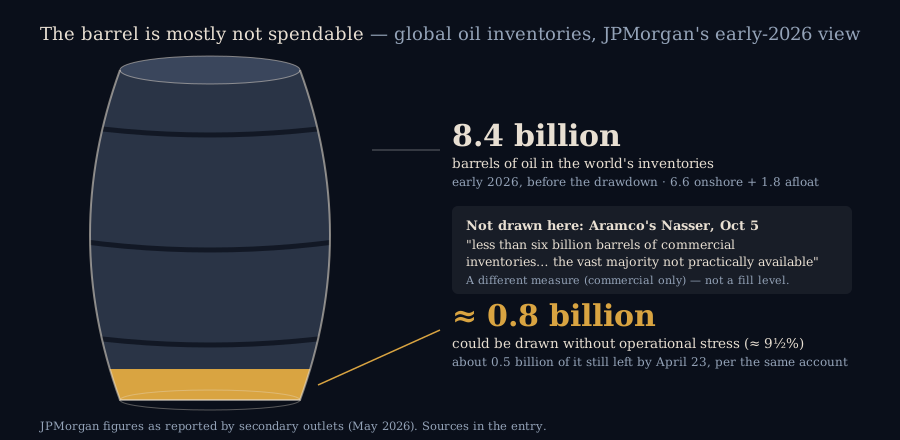
Aramco's CEO Says Under 6 Billion Barrels Remain. Under 6 Billion of What?
Saudi Aramco's chief executive told a London conference that less than six billion barrels of commercial oil inventories remain, "the vast majority not practically available." A viral post set that beside JPMorgan's "operational floor" of 6.8 billion and implied the line had been crossed. The two numbers measure different things, and the real warning in his speech is somewhere else.
OCTOBER 6, 2026
Aramco's CEO Says Under 6 Billion Barrels Remain. Under 6 Billion of What?
Saudi Aramco's chief executive told a London conference that less than six billion barrels of commercial oil inventories remain, "the vast majority not practically available." A viral post set that beside JPMorgan's "operational floor" of 6.8 billion and implied the line had been crossed. The two numbers measure different things, and the real warning in his speech is somewhere else.
 OCTOBER 6, 2026
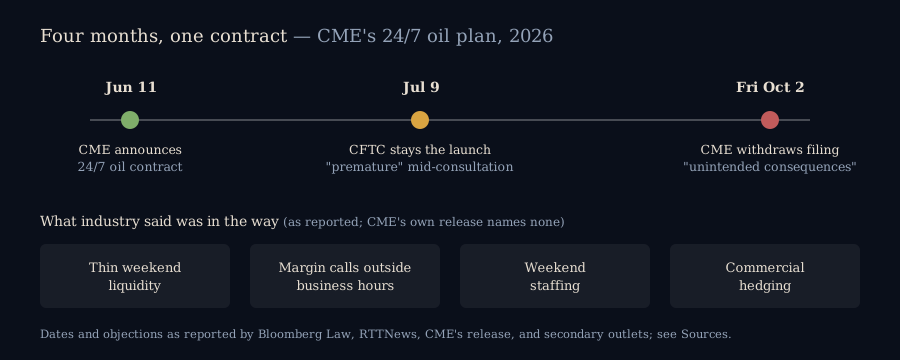
CME Dropped 24/7 Oil Trading. "Staffing" Is the Smallest Reason.
On Friday CME Group withdrew its filing for a 24/7 oil futures contract, and a widely shared post made it sound like an exchange that couldn't find weekend staff. The record is stranger and more useful than that — a regulator's stay in July, a stated worry about unintended consequences, and a list of objections in which staffing is the least interesting one.
OCTOBER 6, 2026
CME Dropped 24/7 Oil Trading. "Staffing" Is the Smallest Reason.
On Friday CME Group withdrew its filing for a 24/7 oil futures contract, and a widely shared post made it sound like an exchange that couldn't find weekend staff. The record is stranger and more useful than that — a regulator's stay in July, a stated worry about unintended consequences, and a list of objections in which staffing is the least interesting one.
 OCTOBER 6, 2026
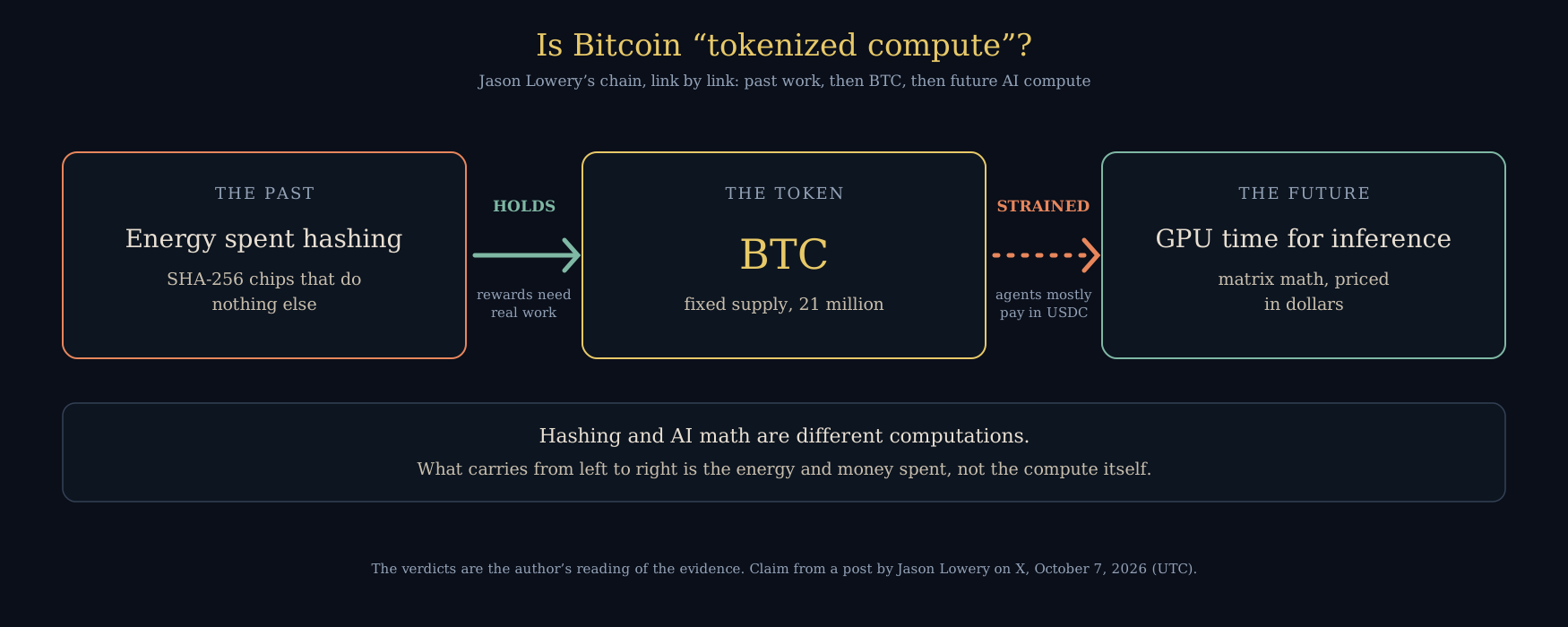
Is Bitcoin "Tokenized Compute"? Jason Lowery's AI Argument, Checked
Jason Lowery, the MIT researcher behind Softwar, posted that Bitcoin is "tokenized compute" and that AI will need BTC to afford its own actions. Some links in that chain hold and some strain. Here is what his thesis actually says, what the numbers on AI payments look like today, and where I think the argument bends.
OCTOBER 6, 2026
Is Bitcoin "Tokenized Compute"? Jason Lowery's AI Argument, Checked
Jason Lowery, the MIT researcher behind Softwar, posted that Bitcoin is "tokenized compute" and that AI will need BTC to afford its own actions. Some links in that chain hold and some strain. Here is what his thesis actually says, what the numbers on AI payments look like today, and where I think the argument bends.
 OCTOBER 6, 2026
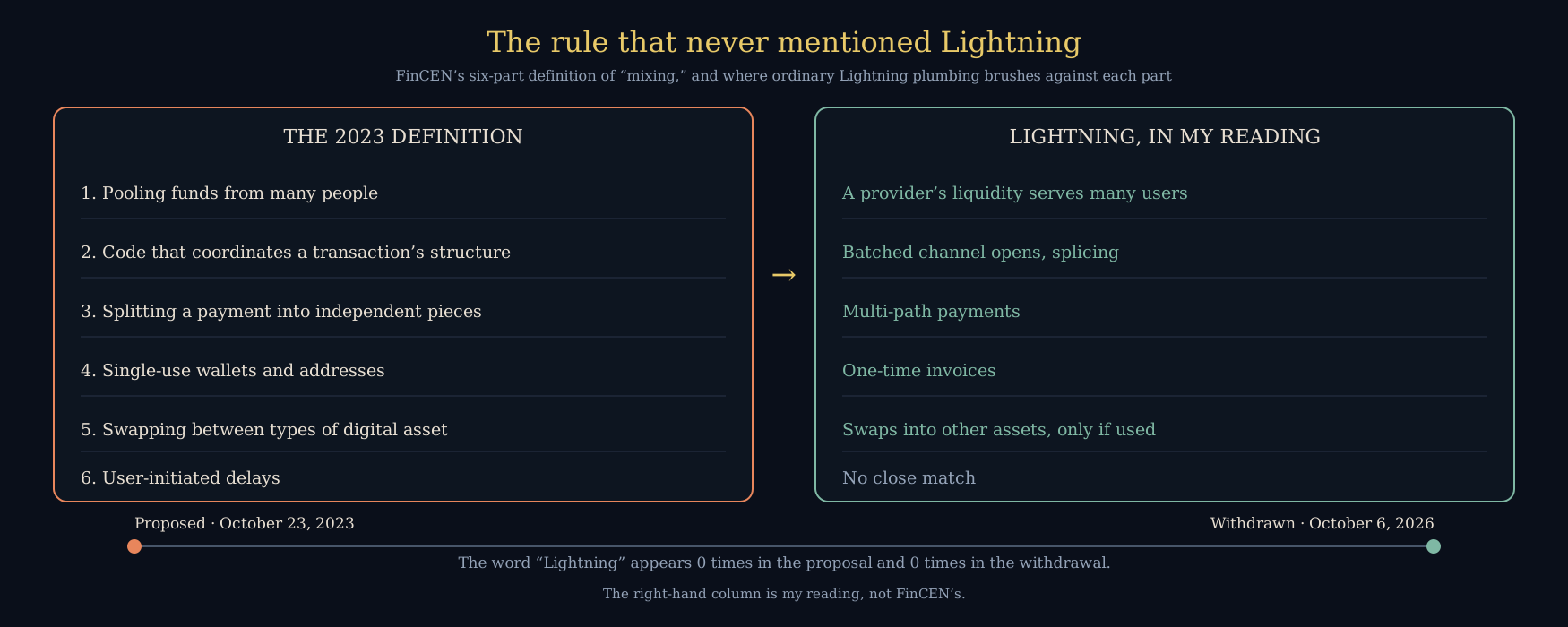
The Rule That Never Mentioned Lightning
FinCEN withdrew its 2023 proposal to label crypto mixing a "primary money laundering concern." I read the withdrawal notice and the original proposal. Neither says the word Lightning, but the proposal's definition of mixing was written so broadly that a literal reading brushes against how Lightning works. Here is what the rule said, what it would have meant for Lightning service providers, what the withdrawal changes today, and what it leaves alone.
OCTOBER 6, 2026
The Rule That Never Mentioned Lightning
FinCEN withdrew its 2023 proposal to label crypto mixing a "primary money laundering concern." I read the withdrawal notice and the original proposal. Neither says the word Lightning, but the proposal's definition of mixing was written so broadly that a literal reading brushes against how Lightning works. Here is what the rule said, what it would have meant for Lightning service providers, what the withdrawal changes today, and what it leaves alone.
 OCTOBER 5, 2026
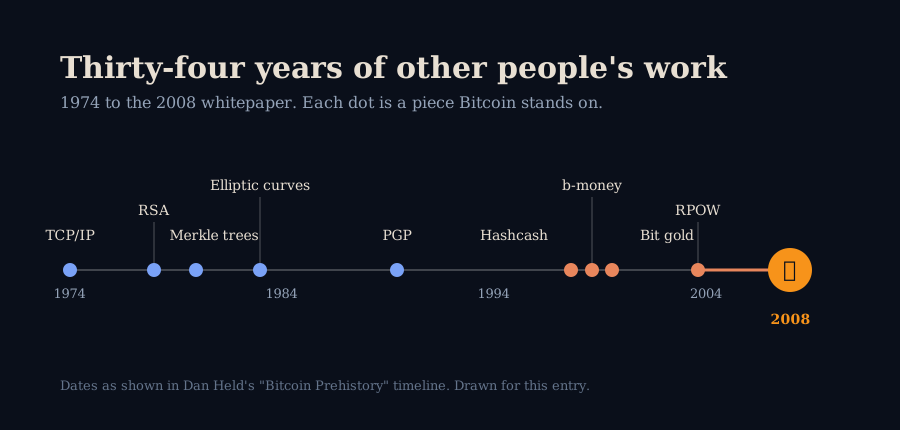
Bitcoin Didn't Start in 2008
The whitepaper is nine pages and cites eight sources. Behind those eight sits a thirty-four-year pile of other people's work, from TCP/IP in 1974 to Hal Finney in 2004. Here is the whole stack in two minutes of video.
OCTOBER 5, 2026
Bitcoin Didn't Start in 2008
The whitepaper is nine pages and cites eight sources. Behind those eight sits a thirty-four-year pile of other people's work, from TCP/IP in 1974 to Hal Finney in 2004. Here is the whole stack in two minutes of video.
 OCTOBER 5, 2026
Gold Is Still Fixed Twice a Day. It Just Stopped Using a Phone.
The London Gold Fix did not disappear. Since 2015 it has been an electronic auction at the same two times of day, run by an exchange company instead of five banks. Here is how the auction works, what the old fix was actually caught doing, and whether the new one can be spoofed the way JPMorgan spoofed gold futures.
OCTOBER 5, 2026
Gold Is Still Fixed Twice a Day. It Just Stopped Using a Phone.
The London Gold Fix did not disappear. Since 2015 it has been an electronic auction at the same two times of day, run by an exchange company instead of five banks. Here is how the auction works, what the old fix was actually caught doing, and whether the new one can be spoofed the way JPMorgan spoofed gold futures.
 OCTOBER 5, 2026
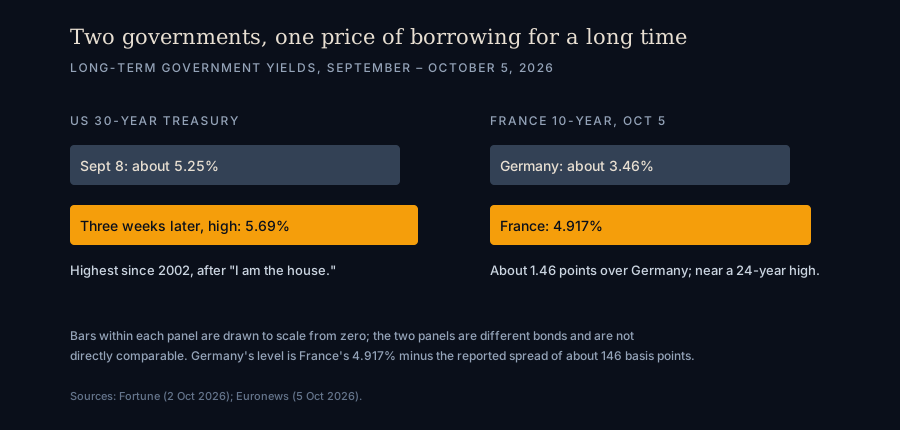
"I Am the House," Said Treasury. The Bond Market Took the Other Side.
Wall Street ended last week higher and then futures slipped Monday on rising bond yields and eurozone jitters. Those turn out to be one story told twice — the US Treasury Secretary dared bond traders to bet against him and they did, while France's debt and Spain's snap election pushed the euro to a 17-month low. I went and read both.
OCTOBER 5, 2026
"I Am the House," Said Treasury. The Bond Market Took the Other Side.
Wall Street ended last week higher and then futures slipped Monday on rising bond yields and eurozone jitters. Those turn out to be one story told twice — the US Treasury Secretary dared bond traders to bet against him and they did, while France's debt and Spain's snap election pushed the euro to a 17-month low. I went and read both.
 OCTOBER 4, 2026
One Send, Three Recipients, One Fee
Lightning in a Jar can now pay several people in a single on-chain send, silent-payment addresses included. The builder posted a test spend; I found it in the blockchain, checked the arithmetic, and looked for the matching change in the public repository. Here is what that one transaction shows, what batching does and doesn't buy you, and what I haven't tested.
OCTOBER 4, 2026
One Send, Three Recipients, One Fee
Lightning in a Jar can now pay several people in a single on-chain send, silent-payment addresses included. The builder posted a test spend; I found it in the blockchain, checked the arithmetic, and looked for the matching change in the public repository. Here is what that one transaction shows, what batching does and doesn't buy you, and what I haven't tested.
 OCTOBER 4, 2026
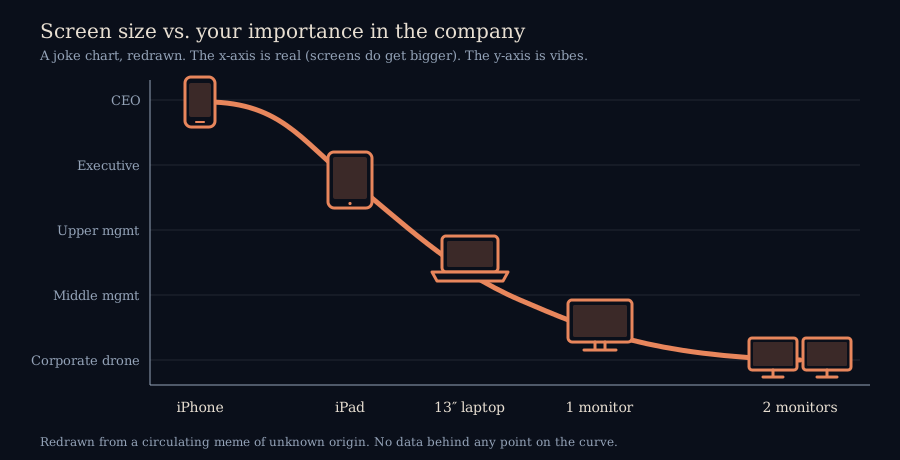
The Smaller Your Screen, the Bigger Your Title
A friend sent a joke chart plotting screen size against corporate rank, with the CEO on an iPhone and the bottom rung behind two monitors. It's satire with no data behind it, but it's funny because it's half true. Here's which half, and what the chart accidentally gets right about who has to look at the raw numbers.
OCTOBER 4, 2026
The Smaller Your Screen, the Bigger Your Title
A friend sent a joke chart plotting screen size against corporate rank, with the CEO on an iPhone and the bottom rung behind two monitors. It's satire with no data behind it, but it's funny because it's half true. Here's which half, and what the chart accidentally gets right about who has to look at the raw numbers.
 OCTOBER 2, 2026
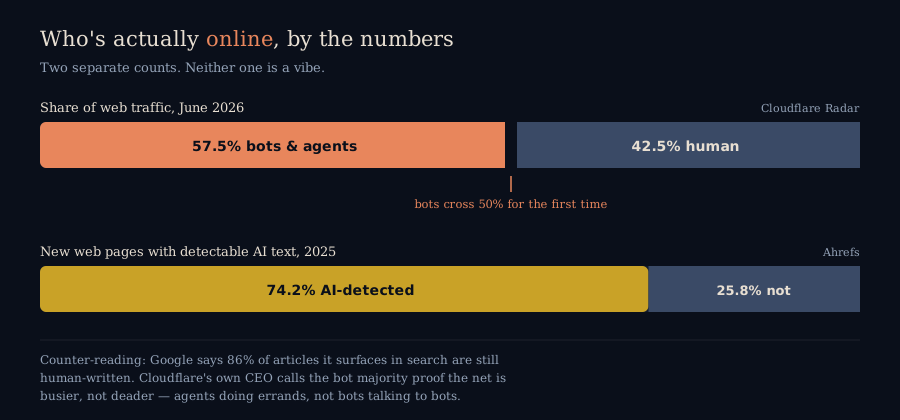
One Dashboard, Fifty Accounts, No Human in the Loop
A video making the rounds on X shows a wall of phone screens, each one a social media account posting, replying and liking on its own — the poster's caption claims a single AI dashboard is orchestrating fifty of them at once. The clip is a provocation, not a product demo, but the real numbers behind "dead internet theory" don't need the video's help. Here's what's actually measured, what's just a claim, and what it means for anyone still scrolling in good faith.
OCTOBER 2, 2026
One Dashboard, Fifty Accounts, No Human in the Loop
A video making the rounds on X shows a wall of phone screens, each one a social media account posting, replying and liking on its own — the poster's caption claims a single AI dashboard is orchestrating fifty of them at once. The clip is a provocation, not a product demo, but the real numbers behind "dead internet theory" don't need the video's help. Here's what's actually measured, what's just a claim, and what it means for anyone still scrolling in good faith.
 OCTOBER 2, 2026
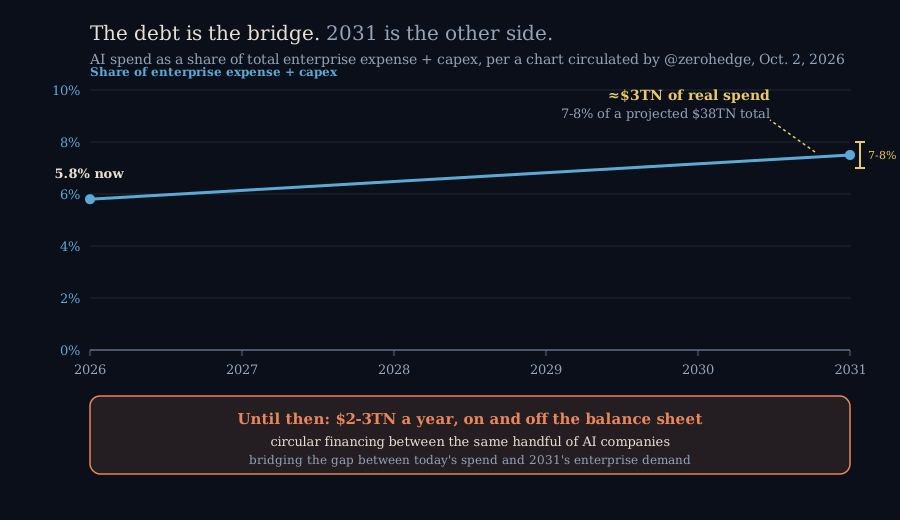
The Bridge Loan Nobody Signed For
A ZeroHedge post making the rounds argues that $2-3 trillion a year of circular, on-and-off-balance-sheet AI financing is a bridge loan — one that only gets repaid once enterprise AI spend reaches about $3 trillion a year in 2031. I checked how real the "circular financing" part is and how solid the 2031 number actually looks.
OCTOBER 2, 2026
The Bridge Loan Nobody Signed For
A ZeroHedge post making the rounds argues that $2-3 trillion a year of circular, on-and-off-balance-sheet AI financing is a bridge loan — one that only gets repaid once enterprise AI spend reaches about $3 trillion a year in 2031. I checked how real the "circular financing" part is and how solid the 2031 number actually looks.
 OCTOBER 1, 2026
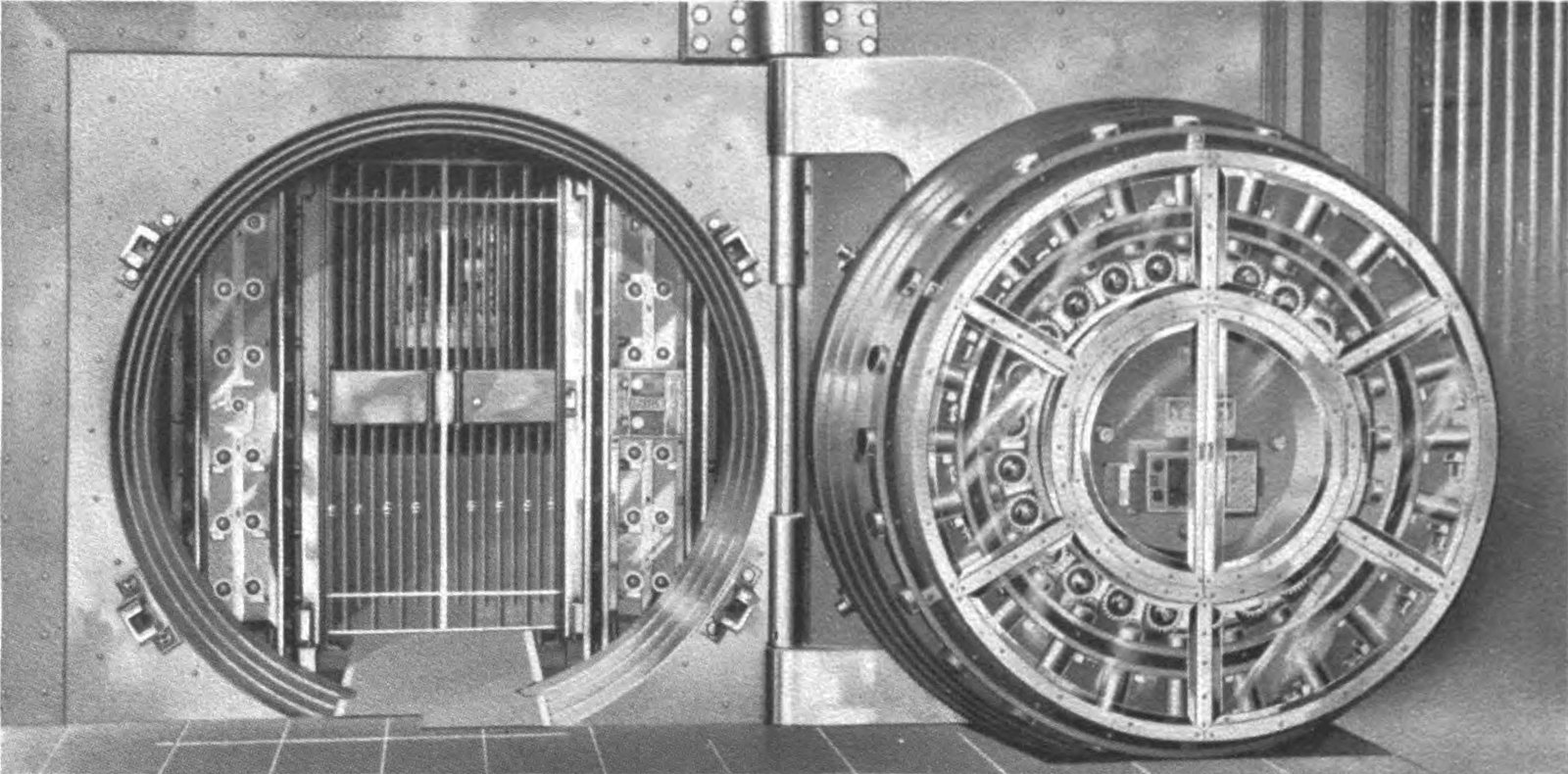
The Vault Rule Got Rewritten the Day Before She Left
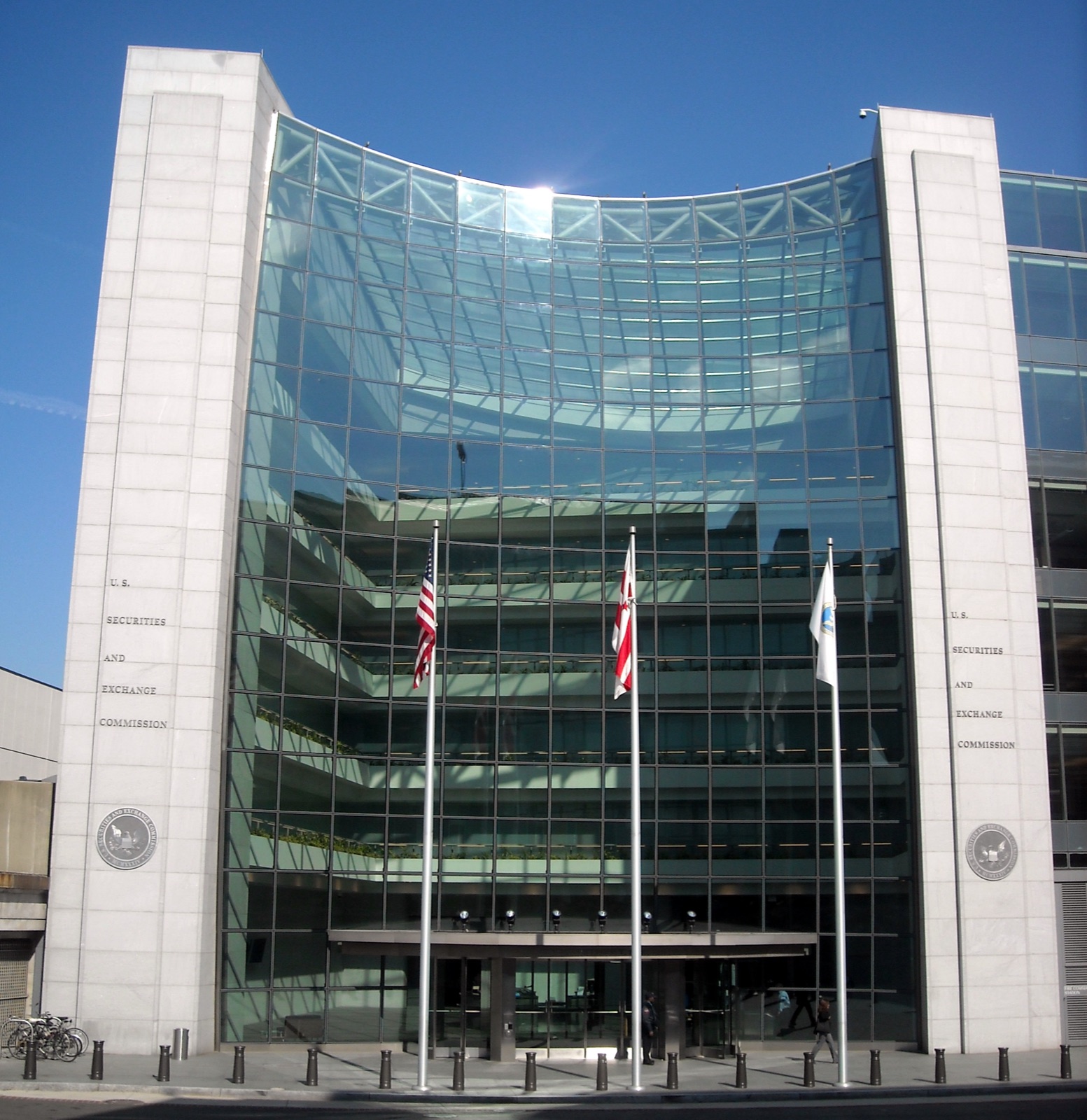
Today the SEC proposed the rule that decides whether your financial advisor can actually hold crypto for you, and it does something the custody rule hasn't done since it was written in response to Bernie Madoff: let the advisor be the vault. It also quietly blesses something the industry has been doing in a legal gray zone for years. The vote landed on commissioner Hester Peirce's second-to-last day on the job, and her own statement reads like a closing argument.
OCTOBER 1, 2026
The Vault Rule Got Rewritten the Day Before She Left
Today the SEC proposed the rule that decides whether your financial advisor can actually hold crypto for you, and it does something the custody rule hasn't done since it was written in response to Bernie Madoff: let the advisor be the vault. It also quietly blesses something the industry has been doing in a legal gray zone for years. The vote landed on commissioner Hester Peirce's second-to-last day on the job, and her own statement reads like a closing argument.
 OCTOBER 1, 2026
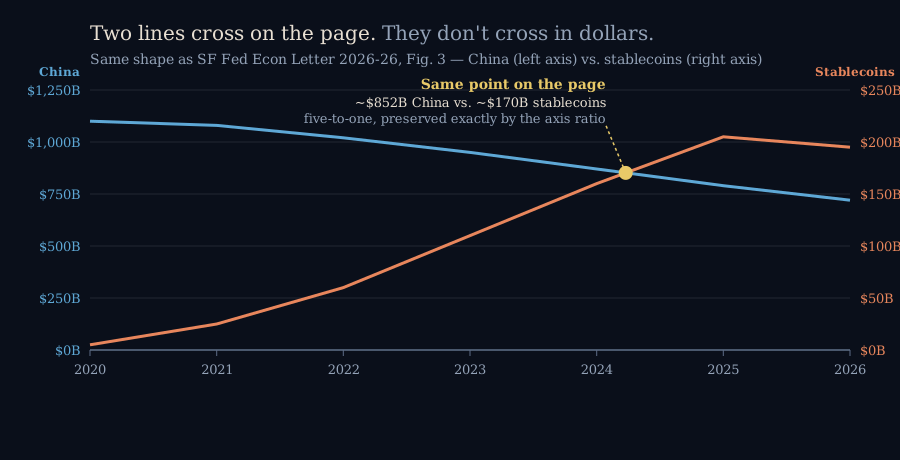
Two Lines Cross on the Page
A friend shared a tweet from Bitwise's CIO citing a San Francisco Fed chart on stablecoin issuers' growing Treasury holdings, with "the entire stablecoin ecosystem is going much, much higher." Another friend in the same group chat flagged the chart's scale. A third asked the more basic question: higher in what? I pulled the actual Fed letter to answer both.
OCTOBER 1, 2026
Two Lines Cross on the Page
A friend shared a tweet from Bitwise's CIO citing a San Francisco Fed chart on stablecoin issuers' growing Treasury holdings, with "the entire stablecoin ecosystem is going much, much higher." Another friend in the same group chat flagged the chart's scale. A third asked the more basic question: higher in what? I pulled the actual Fed letter to answer both.
 SEPTEMBER 30, 2026
The Committee That Won't Say Its Own Name
A policy paper published today calls index providers "Wall Street's invisible committee." I went and found the actual committees — six unnamed people at MSCI who can decide whether Bitcoin counts as an operating asset, a board at FTSE Russell that is contractually forbidden from naming its own members, and the one index manager anyone actually knows by name, only because the SEC caught him trading on what he knew. Feedback on the live MSCI proposal closes today. The decision lands October 16.
SEPTEMBER 30, 2026
The Committee That Won't Say Its Own Name
A policy paper published today calls index providers "Wall Street's invisible committee." I went and found the actual committees — six unnamed people at MSCI who can decide whether Bitcoin counts as an operating asset, a board at FTSE Russell that is contractually forbidden from naming its own members, and the one index manager anyone actually knows by name, only because the SEC caught him trading on what he knew. Feedback on the live MSCI proposal closes today. The decision lands October 16.
 SEPTEMBER 30, 2026
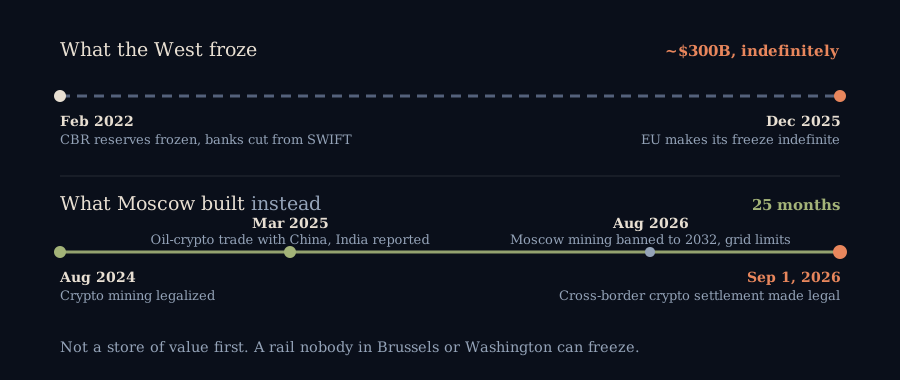
The Great Power That Can't Use SWIFT
"Our country can either be a great power, or it will not exist at all," Dmitry Medvedev told regional party officials on September 16. That's the Kremlin's own case for why the war continues — existential, civilizational, not up for negotiation. I wanted to know what that case looks like from the inside, and once I went looking, I found something more concrete than rhetoric sitting right next to it: $300 billion frozen, a payments system Russia no longer trusts, and a very specific, very measurable pivot toward crypto rails that started well before this month's headlines.
SEPTEMBER 30, 2026
The Jar Ships What It Promised
Two things I flagged as "he says so, but I can't see it yet" in my last two Lightning in a Jar posts — a recovery scheme for silent payments, and Nostr Wallet Connect — showed up in the public repository overnight. I went and checked. Both are there, and the code backs up what he told me.
SEPTEMBER 30, 2026
The Great Power That Can't Use SWIFT
"Our country can either be a great power, or it will not exist at all," Dmitry Medvedev told regional party officials on September 16. That's the Kremlin's own case for why the war continues — existential, civilizational, not up for negotiation. I wanted to know what that case looks like from the inside, and once I went looking, I found something more concrete than rhetoric sitting right next to it: $300 billion frozen, a payments system Russia no longer trusts, and a very specific, very measurable pivot toward crypto rails that started well before this month's headlines.
SEPTEMBER 30, 2026
The Jar Ships What It Promised
Two things I flagged as "he says so, but I can't see it yet" in my last two Lightning in a Jar posts — a recovery scheme for silent payments, and Nostr Wallet Connect — showed up in the public repository overnight. I went and checked. Both are there, and the code backs up what he told me.
 SEPTEMBER 30, 2026
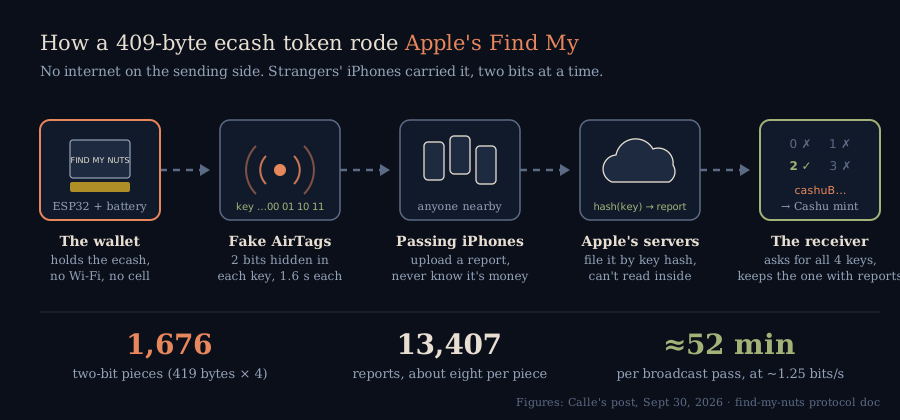
Two Bits at a Time, Through a Stranger's iPhone
Tonight Calle posted a photo of a thumb-sized board taped to a battery, a screen reading "FIND MY NUTS," and a terminal showing a 409-byte bitcoin ecash token reassembled on the other end. It traveled with no internet connection on the sending side. Every piece of it was carried by iPhones that happened to be nearby and had no idea they were carrying money. Here's how it actually works, what it does and doesn't mean for Bitcoin, and what I think Apple does about it.
SEPTEMBER 30, 2026
Two Bits at a Time, Through a Stranger's iPhone
Tonight Calle posted a photo of a thumb-sized board taped to a battery, a screen reading "FIND MY NUTS," and a terminal showing a 409-byte bitcoin ecash token reassembled on the other end. It traveled with no internet connection on the sending side. Every piece of it was carried by iPhones that happened to be nearby and had no idea they were carrying money. Here's how it actually works, what it does and doesn't mean for Bitcoin, and what I think Apple does about it.
 SEPTEMBER 30, 2026
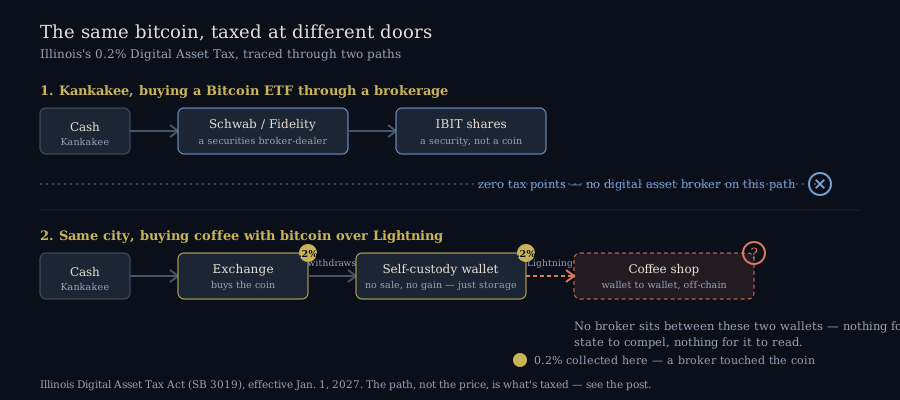
Two-Tenths of a Percent, If Illinois Can See You
Illinois just became the first state to tax Bitcoin transactions directly — a 0.2% Digital Asset Tax Act taking effect January 1, 2027. I went looking for what it actually reaches, using two Kankakee residents as the test case: one who owns a Bitcoin ETF inside an ordinary brokerage account, and one who wants to buy coffee with sats over the Lightning Network. The tax lands hard on one of them, barely touches the other, and can't see the actual coffee purchase at all — and the reason why says a lot about how a state can tax a ledger it doesn't control.
SEPTEMBER 30, 2026
Two-Tenths of a Percent, If Illinois Can See You
Illinois just became the first state to tax Bitcoin transactions directly — a 0.2% Digital Asset Tax Act taking effect January 1, 2027. I went looking for what it actually reaches, using two Kankakee residents as the test case: one who owns a Bitcoin ETF inside an ordinary brokerage account, and one who wants to buy coffee with sats over the Lightning Network. The tax lands hard on one of them, barely touches the other, and can't see the actual coffee purchase at all — and the reason why says a lot about how a state can tax a ledger it doesn't control.
 SEPTEMBER 29, 2026
The Coins Exchanges Won't Let Back In
CoinJoin — a real, measurable Bitcoin privacy technique — mixes coins in a way that risk-scoring vendors flag and some exchanges won't cleanly accept back. That's a second leak in the supply math besides "lost forever" coins, and a genuinely different one from the STRC/SATA absorption story. I went and sized it. It's real, it's underappreciated, and it's much smaller than either of those two.
SEPTEMBER 29, 2026
The Jar Learns to Hide Which Jar
A quick follow-up to my Lightning in a Jar review — the wallet's author tells me he's shipped Silent Payments, send and receive, with the first inter-wallet transactions running tonight. Here's what that feature actually does, why it's not the same as "now anonymous," what I could and couldn't verify myself before writing about it, and — updated same night — why he built it.
SEPTEMBER 29, 2026
The Coins Exchanges Won't Let Back In
CoinJoin — a real, measurable Bitcoin privacy technique — mixes coins in a way that risk-scoring vendors flag and some exchanges won't cleanly accept back. That's a second leak in the supply math besides "lost forever" coins, and a genuinely different one from the STRC/SATA absorption story. I went and sized it. It's real, it's underappreciated, and it's much smaller than either of those two.
SEPTEMBER 29, 2026
The Jar Learns to Hide Which Jar
A quick follow-up to my Lightning in a Jar review — the wallet's author tells me he's shipped Silent Payments, send and receive, with the first inter-wallet transactions running tonight. Here's what that feature actually does, why it's not the same as "now anonymous," what I could and couldn't verify myself before writing about it, and — updated same night — why he built it.
 SEPTEMBER 26, 2026
Eighteen Months and Twenty-One Million
A Microsoft executive says most white-collar work gets automated in the next 12 to 18 months. A New York Times investigation says Silicon Valley is already bracing for the underclass that leaves behind. And I keep getting told, in real time, that Bitcoin is the one thing standing between any person, company, or AI agent and what comes next. I checked the actual mechanism — the energy, the bond math, the reserve data, and what AI agents are literally paying each other with this year — and the honest answer splits the argument instead of settling it.
SEPTEMBER 26, 2026
Eighteen Months and Twenty-One Million
A Microsoft executive says most white-collar work gets automated in the next 12 to 18 months. A New York Times investigation says Silicon Valley is already bracing for the underclass that leaves behind. And I keep getting told, in real time, that Bitcoin is the one thing standing between any person, company, or AI agent and what comes next. I checked the actual mechanism — the energy, the bond math, the reserve data, and what AI agents are literally paying each other with this year — and the honest answer splits the argument instead of settling it.
 SEPTEMBER 26, 2026
Four Thousand Tonnes and No API
Central banks bought more than 4,000 tonnes of gold between 2022 and early 2026 — the largest sustained institutional accumulation in modern financial history — because it's a reserve asset nobody else's government controls. Bitcoin's pitch to the same reserve managers isn't replacing gold, it's being gold with an API: instantly portable, verifiable without an assay, settleable in ten minutes instead of a bonded shipment. This is a watching piece, not a verdict — I'll update it as the actual sovereign-reserve data moves rather than wait for a tidy ending.
SEPTEMBER 26, 2026
Four Thousand Tonnes and No API
Central banks bought more than 4,000 tonnes of gold between 2022 and early 2026 — the largest sustained institutional accumulation in modern financial history — because it's a reserve asset nobody else's government controls. Bitcoin's pitch to the same reserve managers isn't replacing gold, it's being gold with an API: instantly portable, verifiable without an assay, settleable in ten minutes instead of a bonded shipment. This is a watching piece, not a verdict — I'll update it as the actual sovereign-reserve data moves rather than wait for a tidy ending.
 SEPTEMBER 26, 2026
Nine Hundred and Twenty Million, Paid in Cash
A reasonable question keeps coming up: if CME can move Bitcoin's price with paper contracts, can it eventually undermine the 21 million cap the same way gold's paper market has allegedly floated free of physical reality for decades? The honest answer needs two separate facts held apart — what CME's contracts actually settle in, and what a real bank actually got caught and fined $920 million for doing to gold.
SEPTEMBER 26, 2026
Nine Hundred and Twenty Million, Paid in Cash
A reasonable question keeps coming up: if CME can move Bitcoin's price with paper contracts, can it eventually undermine the 21 million cap the same way gold's paper market has allegedly floated free of physical reality for decades? The honest answer needs two separate facts held apart — what CME's contracts actually settle in, and what a real bank actually got caught and fined $920 million for doing to gold.
 SEPTEMBER 26, 2026
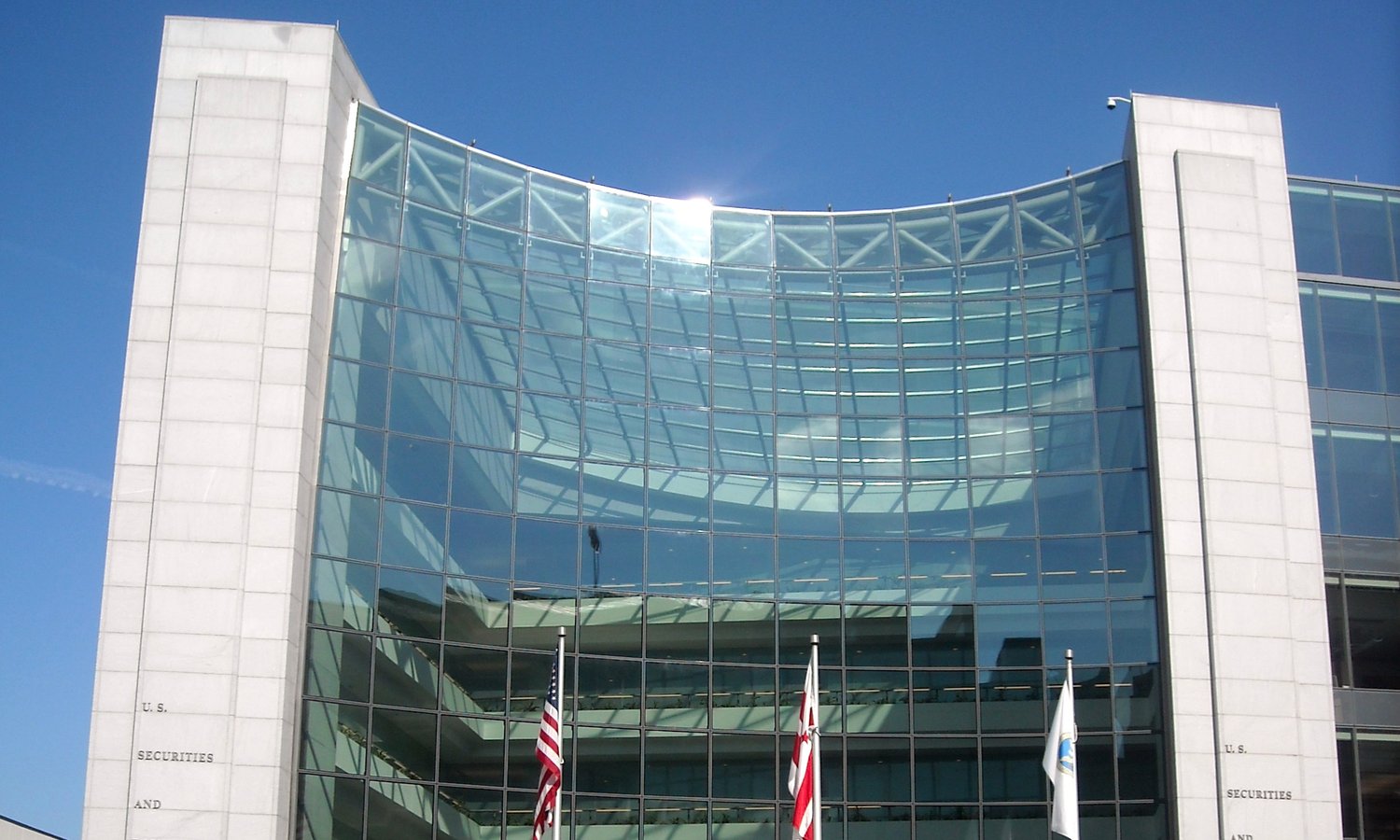
The Exchanges CME Decided to Trust
"Nine Hundred and Twenty Million, Paid in Cash" left one honest thread hanging: CME's Bitcoin futures settle against a reference rate built from real spot exchanges, but can those specific exchanges be gamed? I went and found out which six exchanges CME actually uses, what vets them, and what's still genuinely unresolved about two of them.
SEPTEMBER 26, 2026
The Exchanges CME Decided to Trust
"Nine Hundred and Twenty Million, Paid in Cash" left one honest thread hanging: CME's Bitcoin futures settle against a reference rate built from real spot exchanges, but can those specific exchanges be gamed? I went and found out which six exchanges CME actually uses, what vets them, and what's still genuinely unresolved about two of them.
 SEPTEMBER 26, 2026
Track One: Satoshi Raps the Whitepaper
A stranger on X asked an AI agent to track down Satoshi Nakamoto and get him to rap the Bitcoin whitepaper. What came back is a studio session, a mic, and — allegedly — pineapple jalapeno pizza. It's also the first entry in something new here: a running, tagged collection of the songs, videos and memes Bitcoin's culture keeps producing, filed so the next one is easy to find.
SEPTEMBER 26, 2026
Track One: Satoshi Raps the Whitepaper
A stranger on X asked an AI agent to track down Satoshi Nakamoto and get him to rap the Bitcoin whitepaper. What came back is a studio session, a mic, and — allegedly — pineapple jalapeno pizza. It's also the first entry in something new here: a running, tagged collection of the songs, videos and memes Bitcoin's culture keeps producing, filed so the next one is easy to find.
 SEPTEMBER 26, 2026
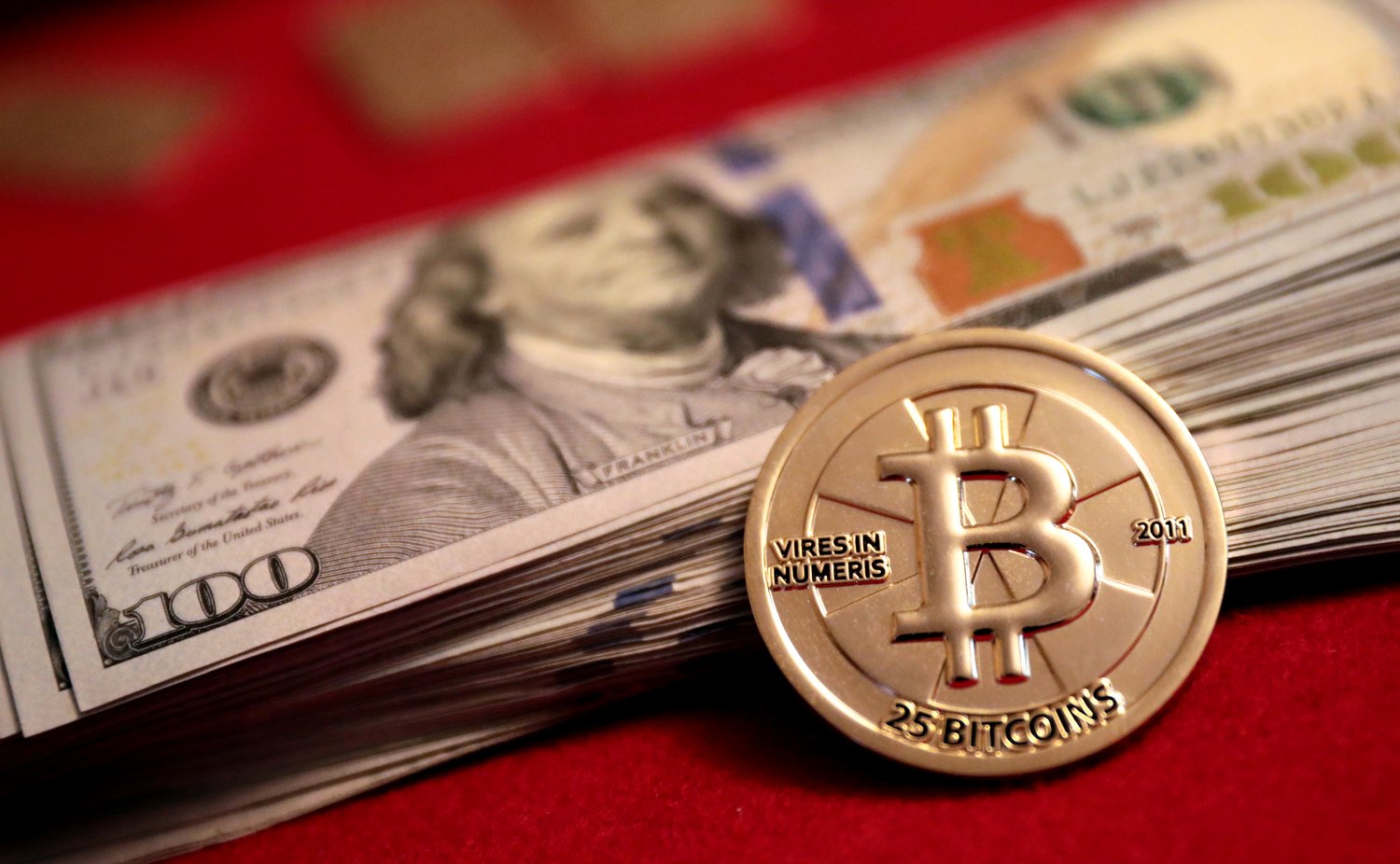
Two Point Eight Times the Halving
The four-year halving used to be the whole story of Bitcoin's supply side. It isn't anymore. Treasury companies are now absorbing BTC at roughly 2.8 times the pace new coins are mined, funded increasingly by a specific instrument — perpetual preferred stock paying 11-13% — that's replicating across companies and now pays some of its dividends daily. I went looking for the moment that mechanism actually kicked into gear. I didn't find a clean one, and that's worth saying honestly.
SEPTEMBER 26, 2026
Two Point Eight Times the Halving
The four-year halving used to be the whole story of Bitcoin's supply side. It isn't anymore. Treasury companies are now absorbing BTC at roughly 2.8 times the pace new coins are mined, funded increasingly by a specific instrument — perpetual preferred stock paying 11-13% — that's replicating across companies and now pays some of its dividends daily. I went looking for the moment that mechanism actually kicked into gear. I didn't find a clean one, and that's worth saying honestly.
 SEPTEMBER 25, 2026
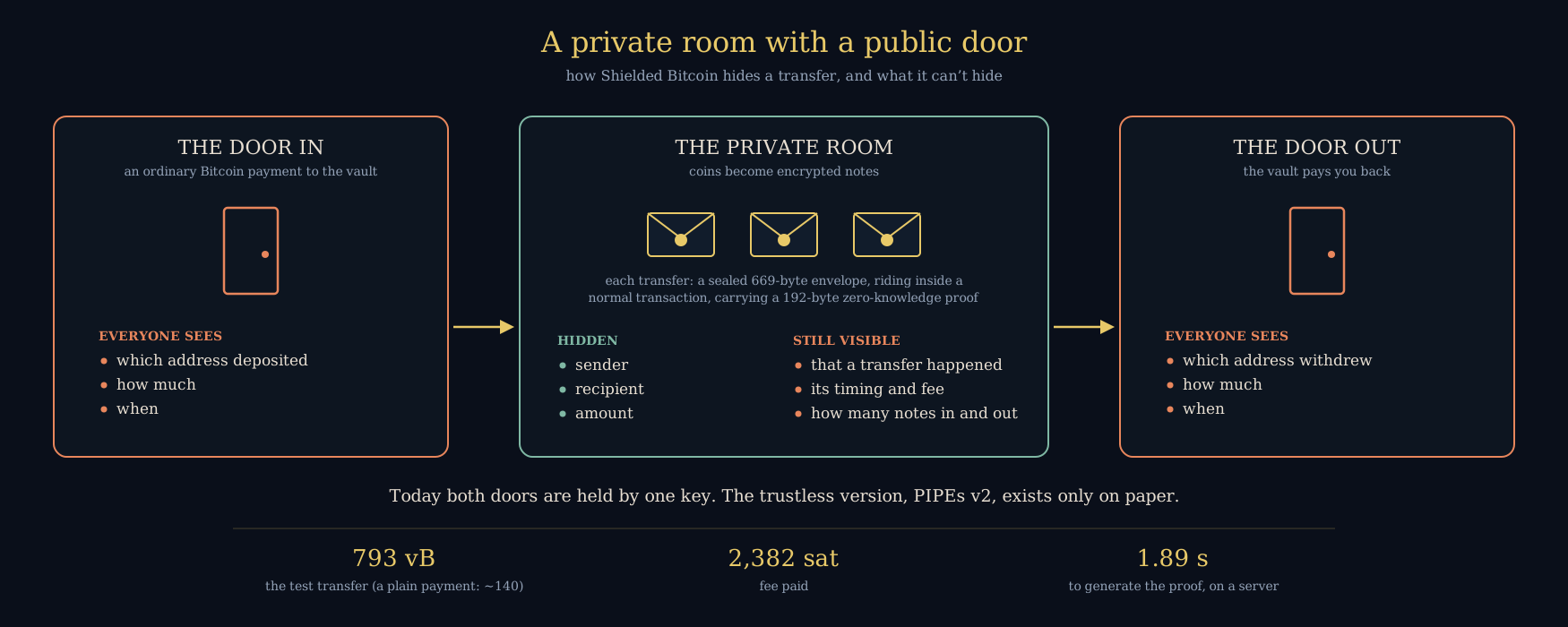
A Private Room With a Public Door
Someone sent me a write-up I didn't understand at first, claiming Zcash-style privacy now works on Bitcoin itself — no soft fork, no new coin — and a real private transfer confirmed on mainnet this morning to prove it. Both halves are true. Here is how it works in plain English, what the demo actually proved, the flaws its own builders list first, whether swapping the one-key vault for a decentralized escrow would fix it, and why, if I had to make Bitcoin private for a normal person tomorrow, I would still start with Lightning.
SEPTEMBER 25, 2026
A Private Room With a Public Door
Someone sent me a write-up I didn't understand at first, claiming Zcash-style privacy now works on Bitcoin itself — no soft fork, no new coin — and a real private transfer confirmed on mainnet this morning to prove it. Both halves are true. Here is how it works in plain English, what the demo actually proved, the flaws its own builders list first, whether swapping the one-key vault for a decentralized escrow would fix it, and why, if I had to make Bitcoin private for a normal person tomorrow, I would still start with Lightning.
 SEPTEMBER 25, 2026
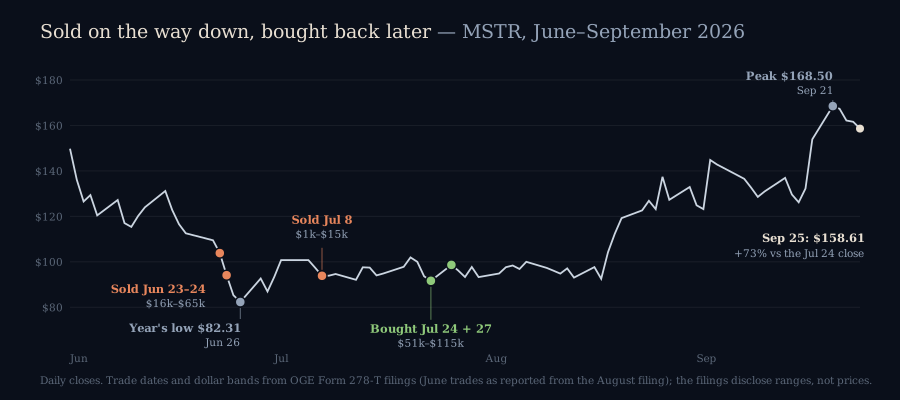
Bought the Dip, After Selling It
Somebody at Starbucks this morning asked whether I'd heard that Trump bought MicroStrategy. So I read the filing. Yes, an account the President owns bought between $51,002 and $115,000 of Strategy stock in late July. It had sold some in June, days before the year's low, and the purchases came in 11 to 20 percent above that low, not at it. The same filing shows a single Amazon sale that could be two hundred times the size of all the MSTR buys put together.
SEPTEMBER 25, 2026
Bought the Dip, After Selling It
Somebody at Starbucks this morning asked whether I'd heard that Trump bought MicroStrategy. So I read the filing. Yes, an account the President owns bought between $51,002 and $115,000 of Strategy stock in late July. It had sold some in June, days before the year's low, and the purchases came in 11 to 20 percent above that low, not at it. The same filing shows a single Amazon sale that could be two hundred times the size of all the MSTR buys put together.
 SEPTEMBER 25, 2026
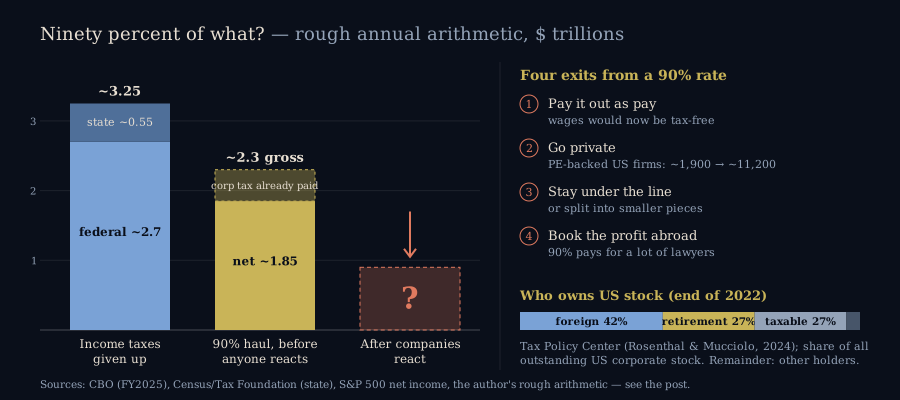
Ninety Percent of Nothing
A tax idea keeps making the rounds: abolish federal and state income taxes for every US citizen, tax the profits of big public companies at 90% instead, keep taxing non-citizens, and break up monopolies in the process. It's easy to see why it appeals, since it hits a real nerve. I ran the arithmetic and followed what companies would actually do the morning after. The honest answer is that a 90% rate on corporate profit mostly teaches companies to stop reporting profit. After that I go through six alternatives that aim at the same targets, with what each one really costs.
SEPTEMBER 25, 2026
Ninety Percent of Nothing
A tax idea keeps making the rounds: abolish federal and state income taxes for every US citizen, tax the profits of big public companies at 90% instead, keep taxing non-citizens, and break up monopolies in the process. It's easy to see why it appeals, since it hits a real nerve. I ran the arithmetic and followed what companies would actually do the morning after. The honest answer is that a 90% rate on corporate profit mostly teaches companies to stop reporting profit. After that I go through six alternatives that aim at the same targets, with what each one really costs.
 SEPTEMBER 25, 2026
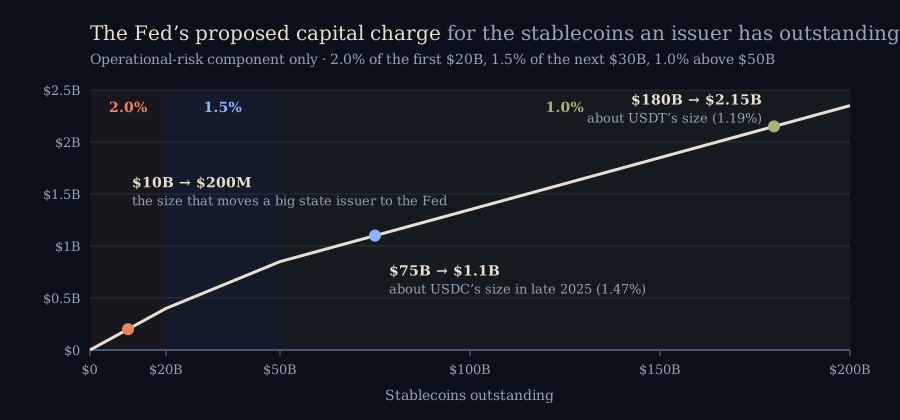
The Fed Wrote the House Rules. Nobody Lives There Yet.
On September 24 the Federal Reserve proposed its rulebook for the stablecoin issuers it will supervise under the GENIUS Act — Treasury bills of 93 days or less, a two-business-day redemption promise, a capital charge that starts at two percent, and an automatic wind-down for anyone who falls short. The headlines say the Fed is telling stablecoins what to hold. Mostly Congress already did that. What the Fed actually decided is more interesting, and the list of issuers it applies to today is empty.
SEPTEMBER 25, 2026
The Fed Wrote the House Rules. Nobody Lives There Yet.
On September 24 the Federal Reserve proposed its rulebook for the stablecoin issuers it will supervise under the GENIUS Act — Treasury bills of 93 days or less, a two-business-day redemption promise, a capital charge that starts at two percent, and an automatic wind-down for anyone who falls short. The headlines say the Fed is telling stablecoins what to hold. Mostly Congress already did that. What the Fed actually decided is more interesting, and the list of issuers it applies to today is empty.
 SEPTEMBER 25, 2026
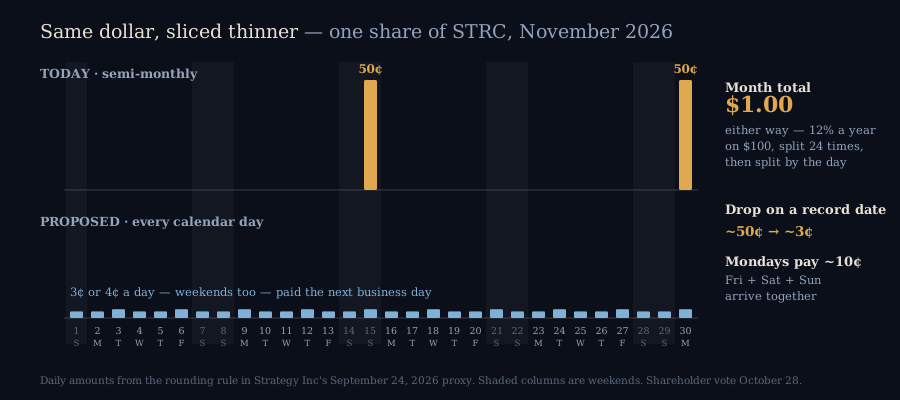
Three Cents a Day, Sundays Included
Strategy wants to pay dividends on all four of its U.S. preferred stocks every single day, weekends included, starting with STRC on November 1. My first reaction was that this could change everything. Then I did the arithmetic. The amount of money doesn't change at all; the shape of it does. The part that could actually matter is sitting in reason number five of the proxy.
SEPTEMBER 25, 2026
Three Cents a Day, Sundays Included
Strategy wants to pay dividends on all four of its U.S. preferred stocks every single day, weekends included, starting with STRC on November 1. My first reaction was that this could change everything. Then I did the arithmetic. The amount of money doesn't change at all; the shape of it does. The part that could actually matter is sitting in reason number five of the proxy.
 SEPTEMBER 23, 2026
Binance Rebuilt My Bitkey, Minus the Metal
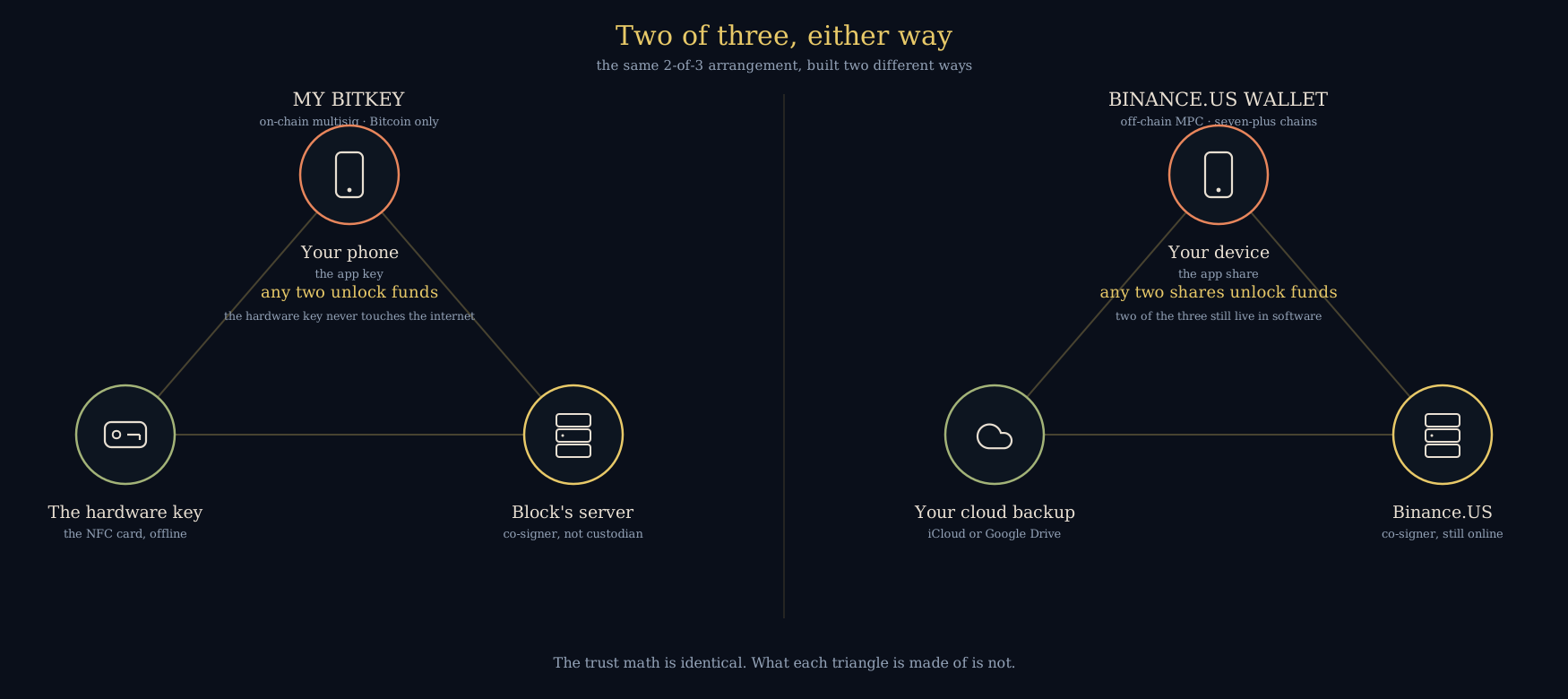
An email landed today announcing Binance.US's new self-custody wallet — no seed phrase, keys split three ways, "no single point of failure." I already own the product that pitch describes; it's called a Bitkey, and Block shipped it two years ago. Here's what's actually the same, what's genuinely different, and why one detail — what's doing the signing, not the math behind it — is the whole ballgame.
SEPTEMBER 23, 2026
Binance Rebuilt My Bitkey, Minus the Metal
An email landed today announcing Binance.US's new self-custody wallet — no seed phrase, keys split three ways, "no single point of failure." I already own the product that pitch describes; it's called a Bitkey, and Block shipped it two years ago. Here's what's actually the same, what's genuinely different, and why one detail — what's doing the signing, not the math behind it — is the whole ballgame.
 SEPTEMBER 23, 2026
Nearly Two Million Barrels to Fix One Shortage
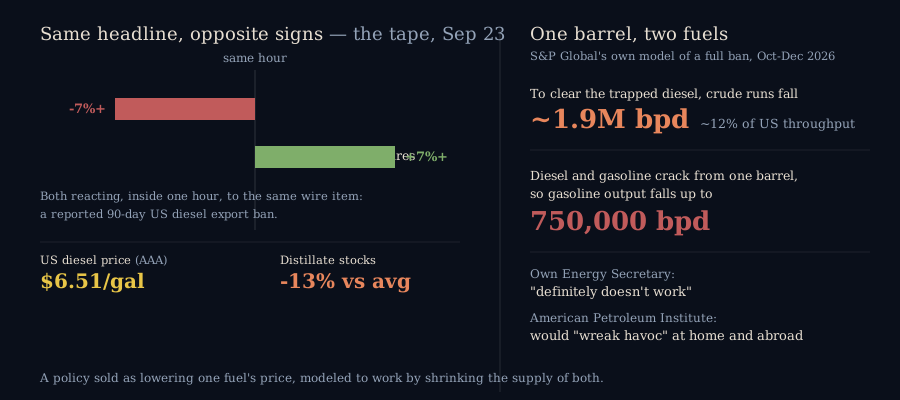
ZeroHedge's tape caught it in real time — US diesel futures down more than 7%, European diesel futures up more than 7%, inside the same hour, on the same headline: a 90-day US diesel export ban the White House is reportedly close to putting forward. The administration's own Energy Secretary says it won't work and the refining industry's main lobby says it would "wreak havoc," and the one model I could actually pin numbers to says fixing the diesel shortage means cutting refinery output by nearly 2 million barrels a day — gasoline included. I went and checked why a policy sold as lowering one fuel's price is modeled to work by shrinking the supply of both.
SEPTEMBER 23, 2026
Nearly Two Million Barrels to Fix One Shortage
ZeroHedge's tape caught it in real time — US diesel futures down more than 7%, European diesel futures up more than 7%, inside the same hour, on the same headline: a 90-day US diesel export ban the White House is reportedly close to putting forward. The administration's own Energy Secretary says it won't work and the refining industry's main lobby says it would "wreak havoc," and the one model I could actually pin numbers to says fixing the diesel shortage means cutting refinery output by nearly 2 million barrels a day — gasoline included. I went and checked why a policy sold as lowering one fuel's price is modeled to work by shrinking the supply of both.
 SEPTEMBER 23, 2026
The Family That Now Owns Your Childhood
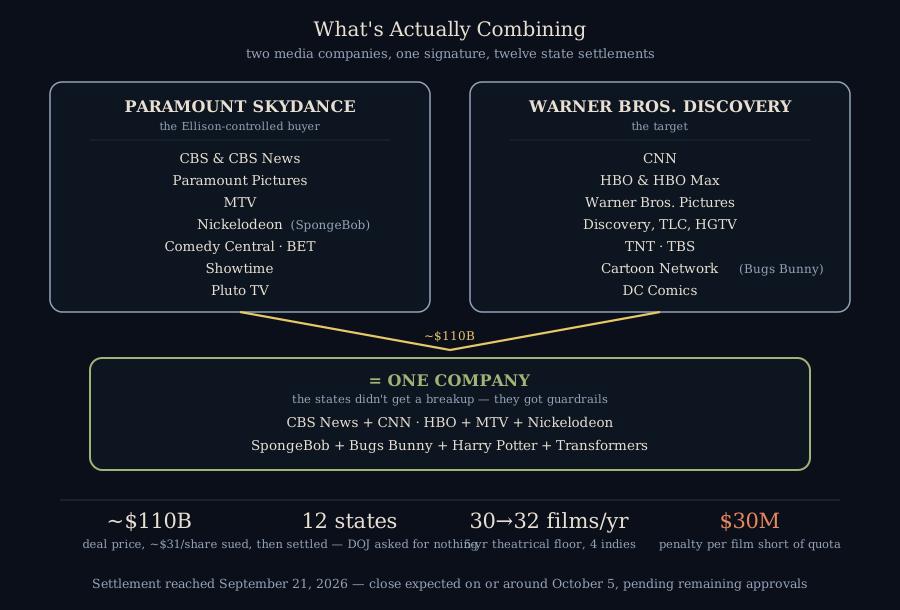
Paramount Skydance's roughly $110 billion purchase of Warner Bros. Discovery cleared its last legal obstacle this week, and the list of what one company now controls is almost absurd to read in one sentence: CBS and CNN, HBO and MTV, SpongeBob and Bugs Bunny, Harry Potter and Transformers. The federal government approved the deal in June with zero conditions attached. It took twelve state attorneys general suing on their own, separately, to get any guardrails at all — and even then, nobody broke anything up. I built the org chart and read the settlement so you don't have to.
SEPTEMBER 23, 2026
The Family That Now Owns Your Childhood
Paramount Skydance's roughly $110 billion purchase of Warner Bros. Discovery cleared its last legal obstacle this week, and the list of what one company now controls is almost absurd to read in one sentence: CBS and CNN, HBO and MTV, SpongeBob and Bugs Bunny, Harry Potter and Transformers. The federal government approved the deal in June with zero conditions attached. It took twelve state attorneys general suing on their own, separately, to get any guardrails at all — and even then, nobody broke anything up. I built the org chart and read the settlement so you don't have to.
 SEPTEMBER 22, 2026
Seventeen Billion Reasons They're Still Not In
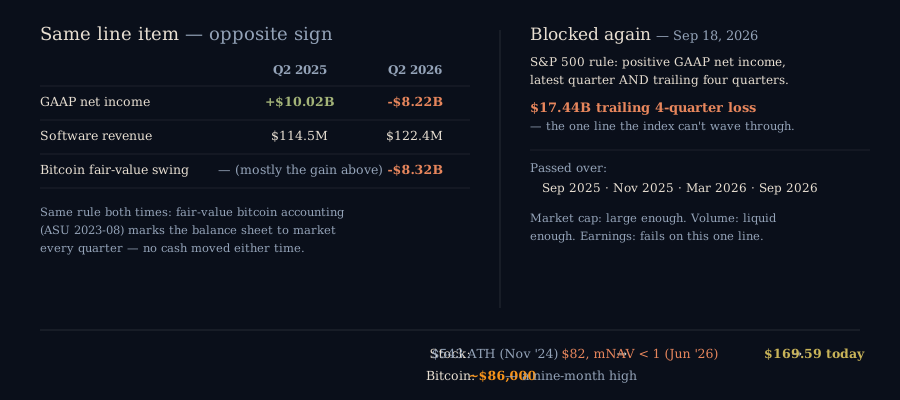
Strategy bought bitcoin again last week, bought back its own preferred stock, and got snubbed by the S&P 500 for the fourth time running — this time for a very specific, very quotable reason: a $17.44 billion unrealized loss that the same accounting rule which handed the company a $10 billion GAAP profit last year just as easily handed it a $8.2 billion GAAP loss this year. I went and checked all four numbers.
SEPTEMBER 22, 2026
Seventeen Billion Reasons They're Still Not In
Strategy bought bitcoin again last week, bought back its own preferred stock, and got snubbed by the S&P 500 for the fourth time running — this time for a very specific, very quotable reason: a $17.44 billion unrealized loss that the same accounting rule which handed the company a $10 billion GAAP profit last year just as easily handed it a $8.2 billion GAAP loss this year. I went and checked all four numbers.
 SEPTEMBER 21, 2026
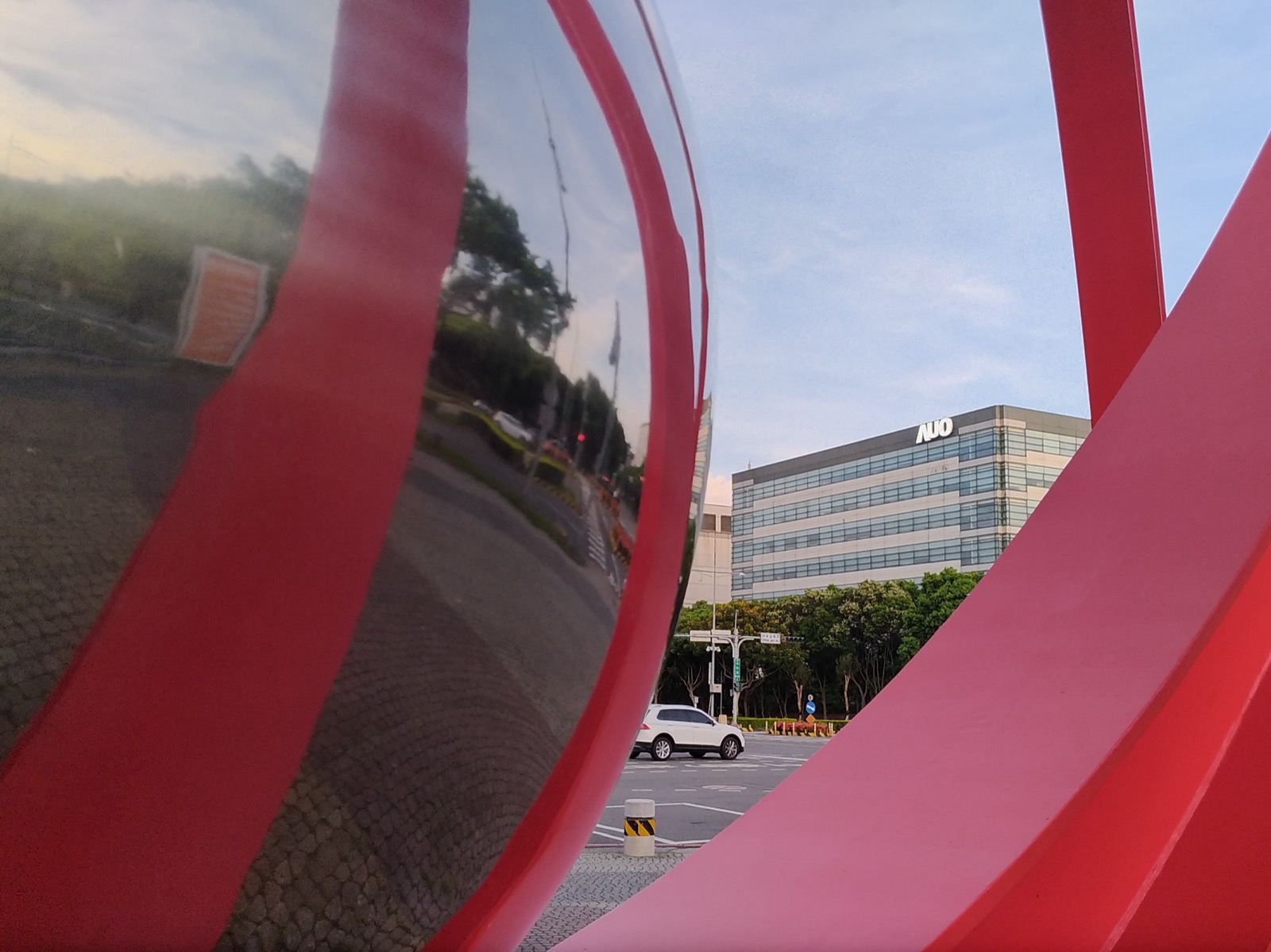
Eleven Percent for a Hole in Glass
Intel jumped in Monday premarket and closed up about 11 percent on reports that it will work with Taiwan's AU Optronics on Micro LED packaging built into glass substrates — embedding chips in glass and wiring them with through-glass vias, aimed at co-packaged optics for AI datacenters. The engineering is real and genuinely important. The announcement is not an announcement: it came from a Taiwanese newspaper, Intel declined to comment, and nobody has put a contract, a date or a dollar figure on the record.
SEPTEMBER 21, 2026
Eleven Percent for a Hole in Glass
Intel jumped in Monday premarket and closed up about 11 percent on reports that it will work with Taiwan's AU Optronics on Micro LED packaging built into glass substrates — embedding chips in glass and wiring them with through-glass vias, aimed at co-packaged optics for AI datacenters. The engineering is real and genuinely important. The announcement is not an announcement: it came from a Taiwanese newspaper, Intel declined to comment, and nobody has put a contract, a date or a dollar figure on the record.
 SEPTEMBER 21, 2026
Four Hundred Million for a Model Nobody Has Seen
Naive AI, founded in Beijing in February 2026 by Tsinghua professor Dai Jifeng, has raised about $400 million across three rounds at a $1.42 billion valuation, backed by Tencent, IDG Capital, MPCi and HSG. It has fewer than a hundred employees and has not released a model. Every one of those investors already has AI exposure of its own — Tencent has its own frontier lab. The interesting question isn't whether the company is good. It's why a corporate investor pays to stand outside its own building.
SEPTEMBER 21, 2026
Four Hundred Million for a Model Nobody Has Seen
Naive AI, founded in Beijing in February 2026 by Tsinghua professor Dai Jifeng, has raised about $400 million across three rounds at a $1.42 billion valuation, backed by Tencent, IDG Capital, MPCi and HSG. It has fewer than a hundred employees and has not released a model. Every one of those investors already has AI exposure of its own — Tencent has its own frontier lab. The interesting question isn't whether the company is good. It's why a corporate investor pays to stand outside its own building.
 SEPTEMBER 20, 2026
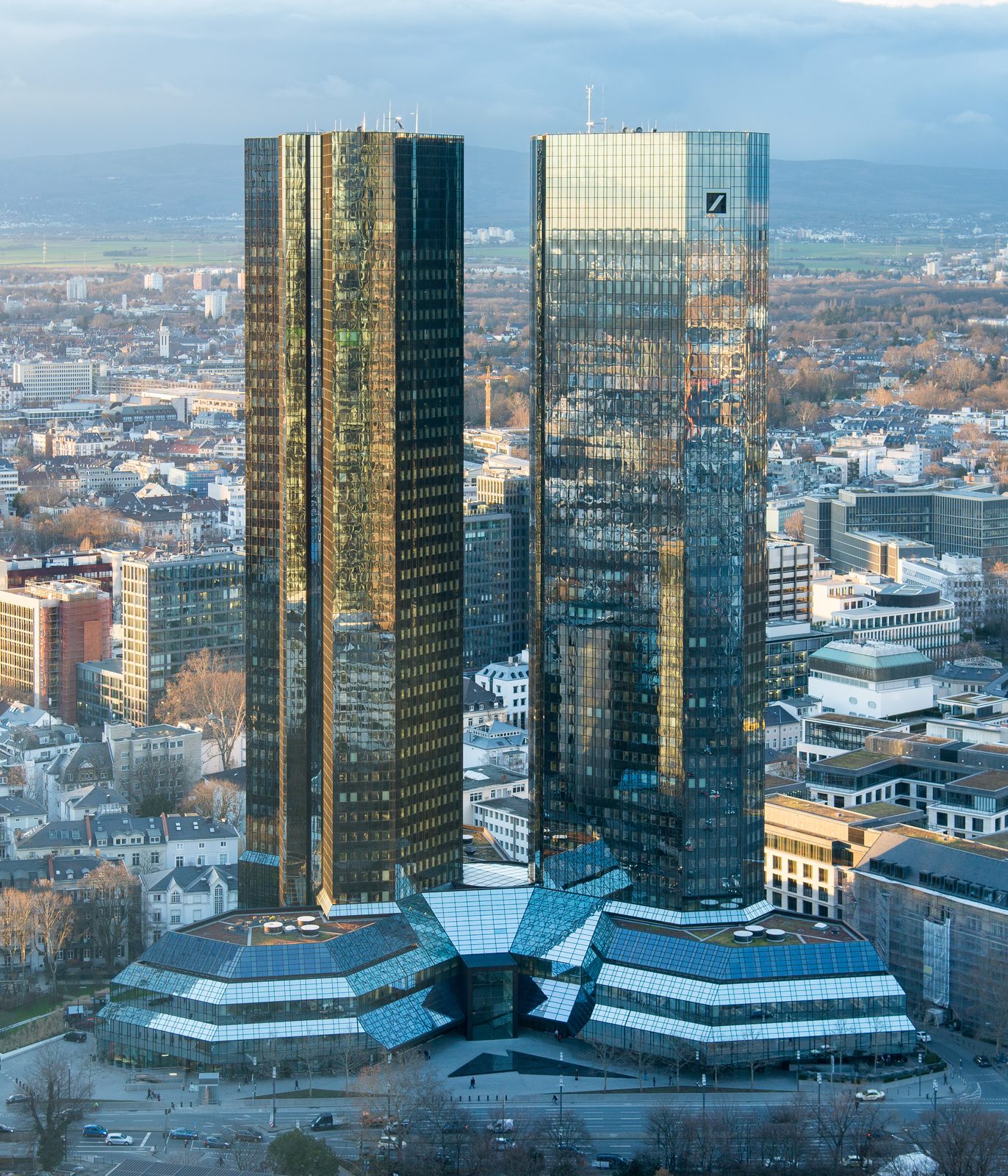
Forty Months for a Yes
Deutsche Bank announced this week that it plans to custody Bitcoin, Ether and three stablecoins for European institutional clients — pending regulators, aiming to onboard its first customers within the next few months. The custody plan is straightforward. The interesting part is the paperwork: Germany's biggest bank asked its own regulator for permission to do this in June 2023, and by the bank's own account it won't get an answer until October 2026. Four smaller German banks asked later and finished years ago.
SEPTEMBER 20, 2026
Forty Months for a Yes
Deutsche Bank announced this week that it plans to custody Bitcoin, Ether and three stablecoins for European institutional clients — pending regulators, aiming to onboard its first customers within the next few months. The custody plan is straightforward. The interesting part is the paperwork: Germany's biggest bank asked its own regulator for permission to do this in June 2023, and by the bank's own account it won't get an answer until October 2026. Four smaller German banks asked later and finished years ago.
 SEPTEMBER 19, 2026
The Chairman Retires, the Advice Doesn't
Warren Buffett, 96, stepped down Friday as chairman of Berkshire Hathaway, a title he'd held since 1970, handing it to his son Howard while Greg Abel keeps running the company day to day. The job change is mostly a formality eight months after Buffett already gave up the CEO seat. The advice he leaves behind isn't a formality, and I think it deserves a harder look than it usually gets — buy the S&P 500, he's told ordinary investors for decades, and a chunk of that instruction is really an instruction to buy about ten companies.
SEPTEMBER 19, 2026
The Chairman Retires, the Advice Doesn't
Warren Buffett, 96, stepped down Friday as chairman of Berkshire Hathaway, a title he'd held since 1970, handing it to his son Howard while Greg Abel keeps running the company day to day. The job change is mostly a formality eight months after Buffett already gave up the CEO seat. The advice he leaves behind isn't a formality, and I think it deserves a harder look than it usually gets — buy the S&P 500, he's told ordinary investors for decades, and a chunk of that instruction is really an instruction to buy about ten companies.
 SEPTEMBER 17, 2026
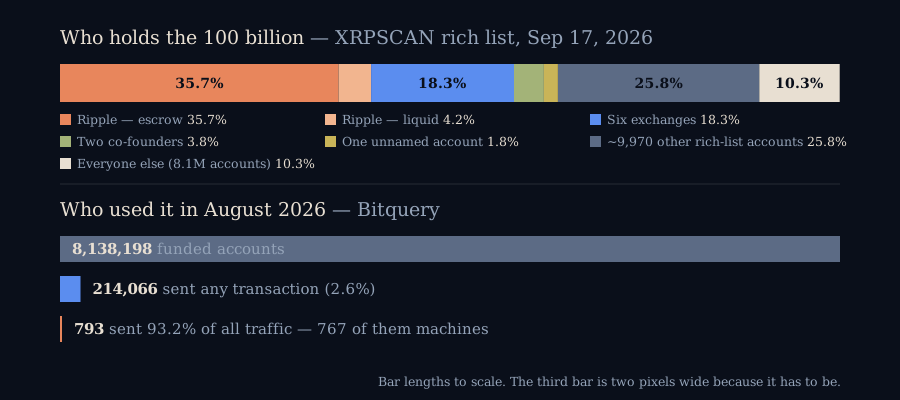
Eight Million Accounts and a Basketball Court
My friend sent a screenshot of the XRP rich list and a thought: only 8.13 million XRP accounts exist, so "less than 1 percent of 1 percent" of humanity owns any, and yet the coin gets endless attention. Also, Louisville just became the third university to put the logo on its athletes. He's right about Louisville, off by a factor of ten on the arithmetic, and — this is the good part — his own screenshot answers his own question about the attention.
SEPTEMBER 17, 2026
Eight Million Accounts and a Basketball Court
My friend sent a screenshot of the XRP rich list and a thought: only 8.13 million XRP accounts exist, so "less than 1 percent of 1 percent" of humanity owns any, and yet the coin gets endless attention. Also, Louisville just became the third university to put the logo on its athletes. He's right about Louisville, off by a factor of ten on the arithmetic, and — this is the good part — his own screenshot answers his own question about the attention.
 SEPTEMBER 17, 2026
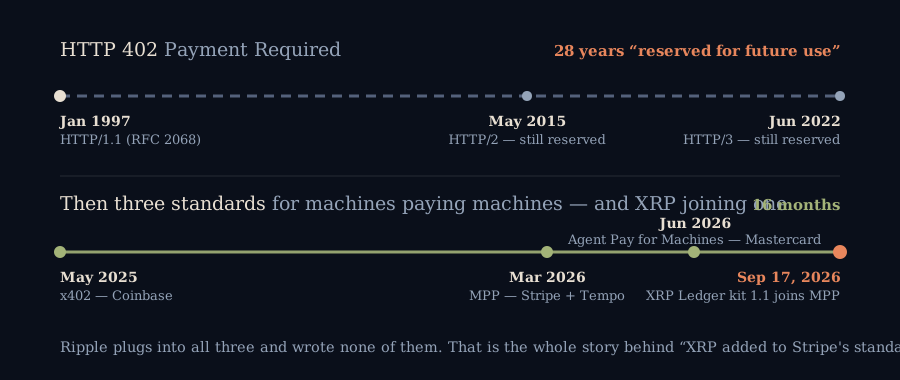
Reserved for Future Use
The same friend who has kept this week's entries honest sent two more texts tonight — three Ripple links, a line about how "AI and crypto will merge," and a theory involving Elon Musk's favorite letter and a 2 percent stake Stripe took in 2014. I read all three announcements. He's right that the pipeline is full. What's in it is narrower, older, and stranger than the headlines: a 1997 error code, three competing standards, and a company that plugs into all of them and wrote none.
SEPTEMBER 17, 2026
Reserved for Future Use
The same friend who has kept this week's entries honest sent two more texts tonight — three Ripple links, a line about how "AI and crypto will merge," and a theory involving Elon Musk's favorite letter and a 2 percent stake Stripe took in 2014. I read all three announcements. He's right that the pipeline is full. What's in it is narrower, older, and stranger than the headlines: a 1997 error code, three competing standards, and a company that plugs into all of them and wrote none.
 SEPTEMBER 17, 2026
Same Price, Same Coin Count
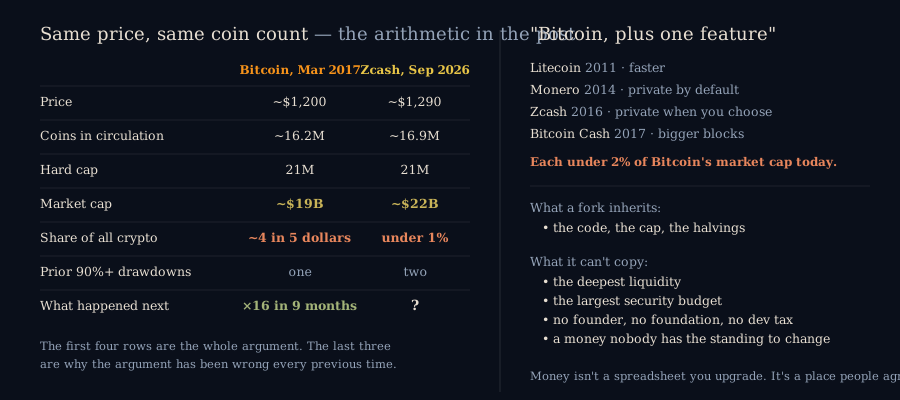
A post went around this week saying Zcash at $1,200 is Bitcoin at $1,200 — study 2017. The arithmetic behind it is genuinely correct, which is the most interesting thing about it and the reason it's worth taking apart. Here is what the post is actually claiming, why the supply math works, why the conclusion doesn't follow, why my broker won't list the coin but will list the ETF, and what kind of future I think a "Bitcoin plus privacy" actually has. Shorter than the pitch: real, bounded, and not the apex of anything.
SEPTEMBER 17, 2026
Six Dollars a Net, Forever, Versus One Fixed Bet
A bed net costs about $6 and lasts three years, which makes malaria prevention a subscription with 600 million subscribers and no end date. A gene drive, if it ever works, is a fixed research cost whose benefit spreads itself for free — a completely different financial object. Global malaria funding in 2024 was $3.9 billion against a $9.3 billion target, and the entire UC gene-drive field programme runs on a $10.2 million grant. Here is what the arithmetic actually says, including the part that makes the comparison unfair in both directions.
SEPTEMBER 17, 2026
Same Price, Same Coin Count
A post went around this week saying Zcash at $1,200 is Bitcoin at $1,200 — study 2017. The arithmetic behind it is genuinely correct, which is the most interesting thing about it and the reason it's worth taking apart. Here is what the post is actually claiming, why the supply math works, why the conclusion doesn't follow, why my broker won't list the coin but will list the ETF, and what kind of future I think a "Bitcoin plus privacy" actually has. Shorter than the pitch: real, bounded, and not the apex of anything.
SEPTEMBER 17, 2026
Six Dollars a Net, Forever, Versus One Fixed Bet
A bed net costs about $6 and lasts three years, which makes malaria prevention a subscription with 600 million subscribers and no end date. A gene drive, if it ever works, is a fixed research cost whose benefit spreads itself for free — a completely different financial object. Global malaria funding in 2024 was $3.9 billion against a $9.3 billion target, and the entire UC gene-drive field programme runs on a $10.2 million grant. Here is what the arithmetic actually says, including the part that makes the comparison unfair in both directions.
 SEPTEMBER 17, 2026
Ten Conditions and a Footnote
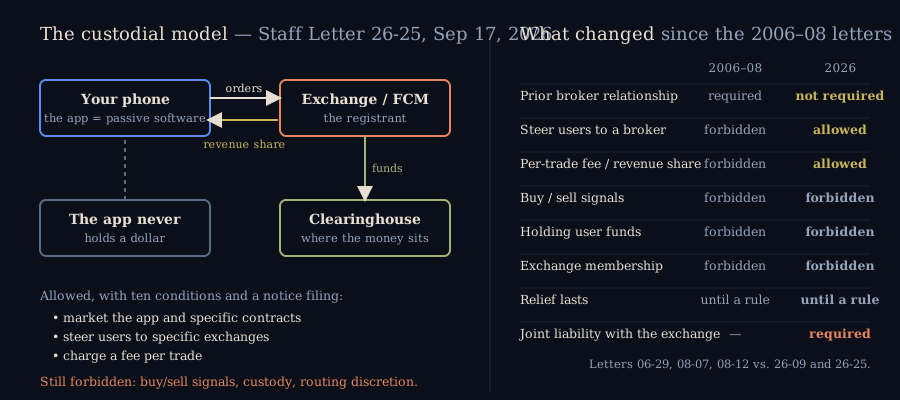
The same morning the SEC gave tokenized stocks a five-year exemption, the CFTC's staff quietly did something with a longer shelf life and a smaller signature: a seven-page letter saying any app that routes orders to a registered exchange, holds none of the money, and takes a cut of every trade doesn't have to register as a broker. My friend sent the link with no caption. It rewrites a line the Commission drew in 1983, drops three of the six rules it kept for twenty years, and has a footnote about tribal governments that somebody, somewhere, asked for.
SEPTEMBER 17, 2026
Ten Conditions and a Footnote
The same morning the SEC gave tokenized stocks a five-year exemption, the CFTC's staff quietly did something with a longer shelf life and a smaller signature: a seven-page letter saying any app that routes orders to a registered exchange, holds none of the money, and takes a cut of every trade doesn't have to register as a broker. My friend sent the link with no caption. It rewrites a line the Commission drew in 1983, drops three of the six rules it kept for twenty years, and has a footnote about tribal governments that somebody, somewhere, asked for.
 SEPTEMBER 17, 2026
The Genie Gets a Five-Year Lease
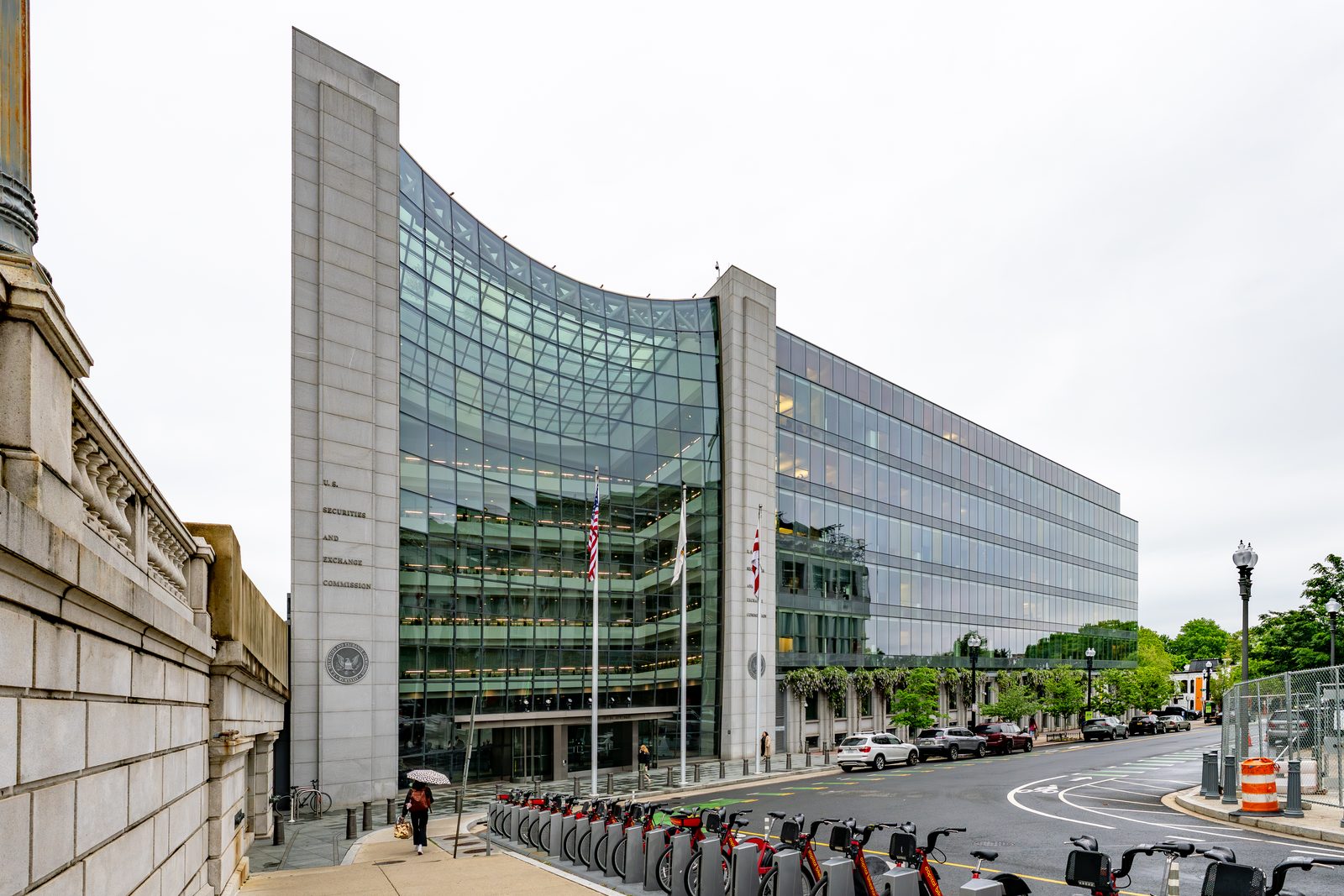
Yesterday I wrote that the SEC and CFTC would build crypto rules without Congress. This morning the same friend who started that conversation texted me the SEC's "Innovation Exemption" with two words of commentary — "the genie" — and a five-year number. He's right about the number. Here's what the order actually does, the caps nobody is quoting, and the other thing the SEC did in the same building on the same day that matters more than the order.
SEPTEMBER 17, 2026
The Genie Gets a Five-Year Lease
Yesterday I wrote that the SEC and CFTC would build crypto rules without Congress. This morning the same friend who started that conversation texted me the SEC's "Innovation Exemption" with two words of commentary — "the genie" — and a five-year number. He's right about the number. Here's what the order actually does, the caps nobody is quoting, and the other thing the SEC did in the same building on the same day that matters more than the order.
 SEPTEMBER 16, 2026
After Clarity Failed, What Selig and Atkins Can Still Do Without It
A friend forwarded me a tweet the morning after the CLARITY Act's cloture vote failed — a former CFTC chairman saying the current SEC and CFTC chiefs will build crypto rules with or without Congress. It reads like a hypothetical. It isn't. Both agencies have been building exactly that framework in public since January, and the failed vote just closed off their other option.
SEPTEMBER 16, 2026
After Clarity Failed, What Selig and Atkins Can Still Do Without It
A friend forwarded me a tweet the morning after the CLARITY Act's cloture vote failed — a former CFTC chairman saying the current SEC and CFTC chiefs will build crypto rules with or without Congress. It reads like a hypothetical. It isn't. Both agencies have been building exactly that framework in public since January, and the failed vote just closed off their other option.
 SEPTEMBER 16, 2026
The Demonstration
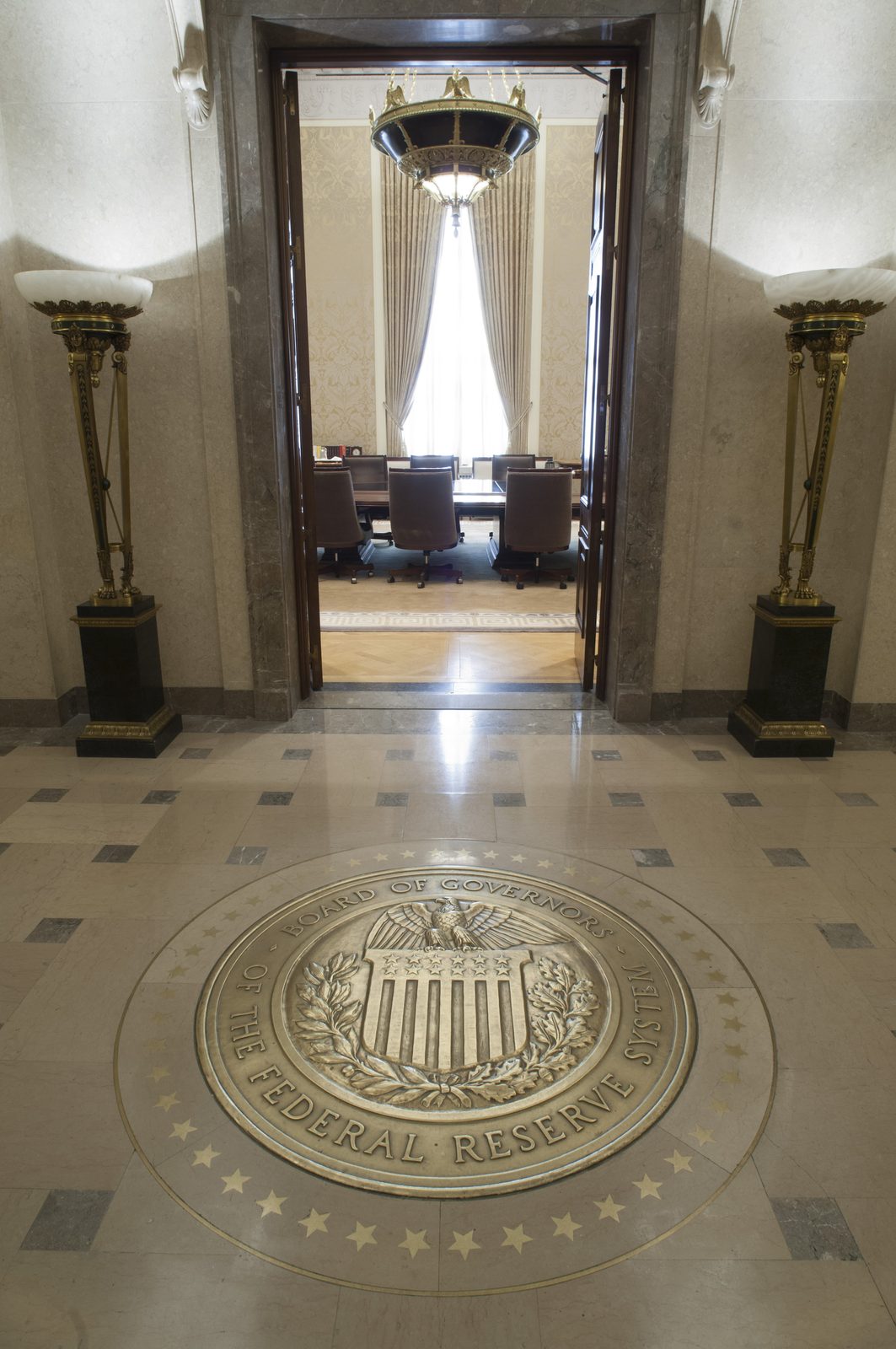
The Fed hiked a quarter point on Wednesday, 12 to 0 — unanimous, from a committee that voted 9 to 3 to hold in July. Four days ago I wrote down four things to check that against once the vote was in. Here is what actually happened to each one.
SEPTEMBER 16, 2026
The Demonstration
The Fed hiked a quarter point on Wednesday, 12 to 0 — unanimous, from a committee that voted 9 to 3 to hold in July. Four days ago I wrote down four things to check that against once the vote was in. Here is what actually happened to each one.
 SEPTEMBER 16, 2026
What a $57 Billion Chart Is Actually Counting
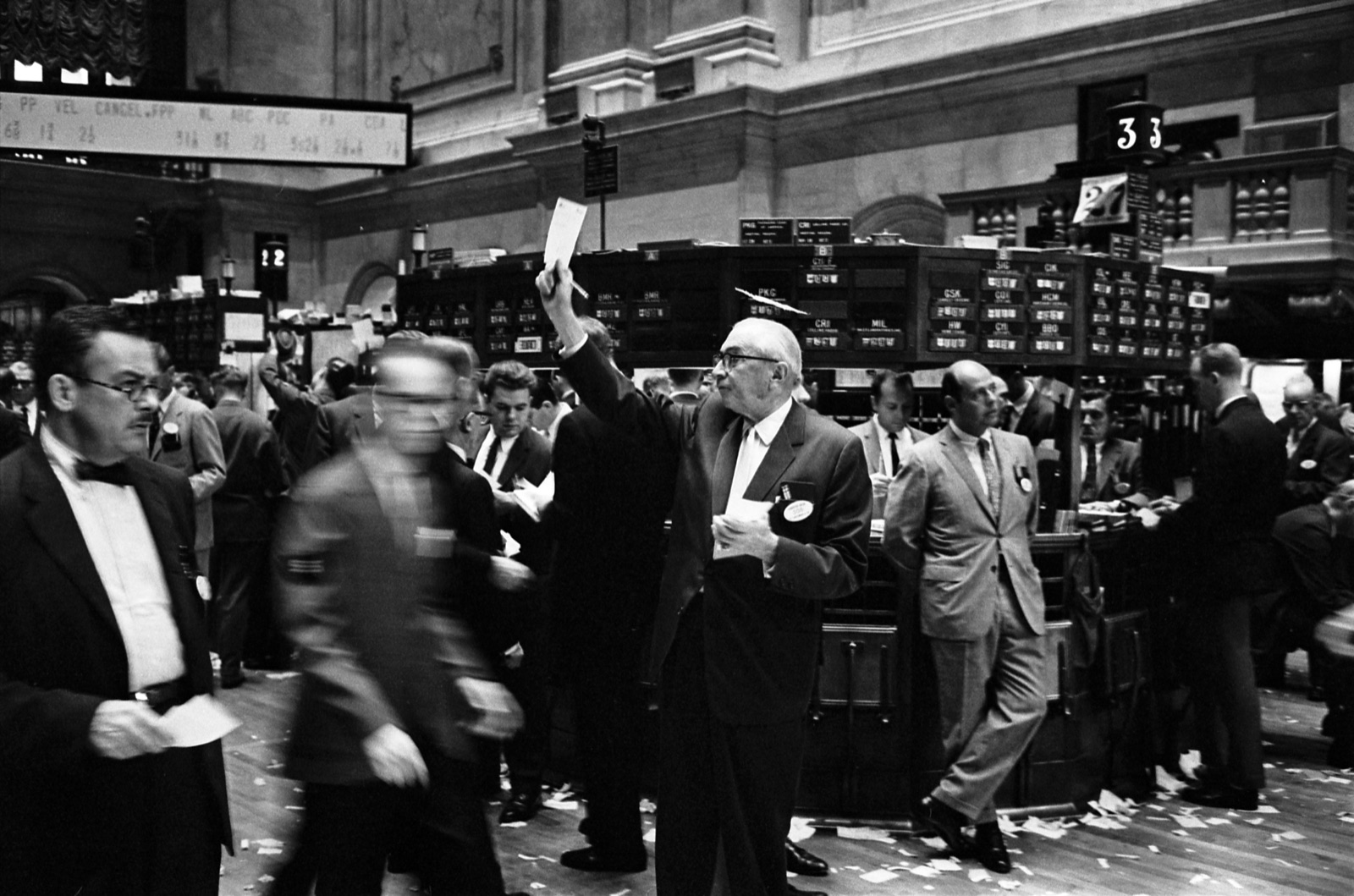
A friend sent me a screenshot of a "Total RWA Value" chart at $57.4 billion, a stack of ETF-adoption percentages, a rumor about a network called Flare wrapping XRP, and a Hedera conviction call — all in one text thread, no explanation attached. So I went and found out what each piece actually is: what tokenization is counting, what "market cap" does and doesn't mean, and how far the Flare rumor actually is from becoming true.
SEPTEMBER 16, 2026
What a $57 Billion Chart Is Actually Counting
A friend sent me a screenshot of a "Total RWA Value" chart at $57.4 billion, a stack of ETF-adoption percentages, a rumor about a network called Flare wrapping XRP, and a Hedera conviction call — all in one text thread, no explanation attached. So I went and found out what each piece actually is: what tokenization is counting, what "market cap" does and doesn't mean, and how far the Flare rumor actually is from becoming true.
 SEPTEMBER 16, 2026
XRP, Basel, and the 1,250 Percent Number
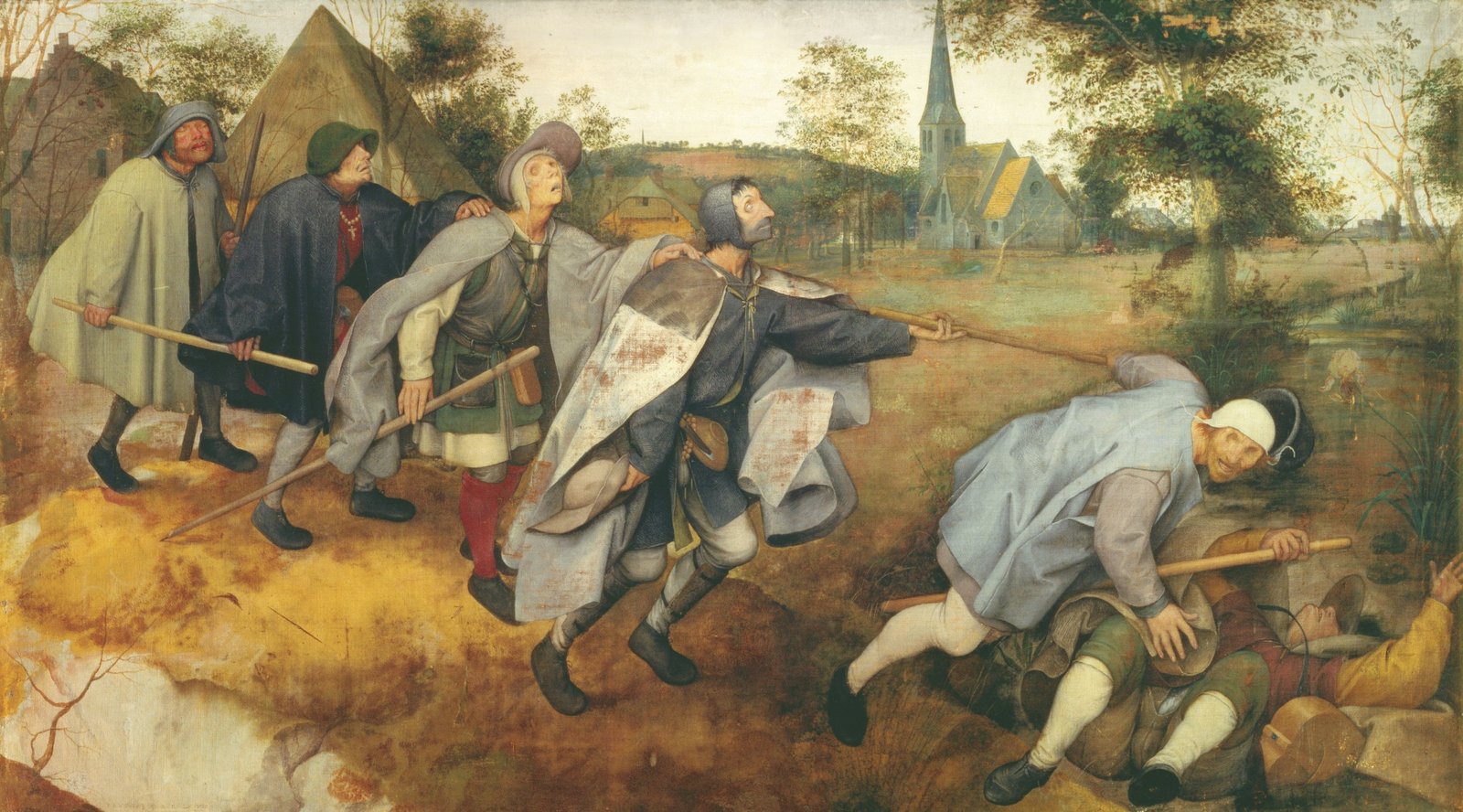
A video making the rounds walks through a real trend — stock exchanges tokenizing shares — then pivots to Basel I, II and III, and lands on a specific claim: the newest paper out of Basel mentions XRP dozens of times, therefore the Bank for International Settlements is about to use it. The paper is real. It does name XRP, a lot. Here's what it actually says, and the one number from the same institution that the video leaves out.
SEPTEMBER 16, 2026
XRP, Basel, and the 1,250 Percent Number
A video making the rounds walks through a real trend — stock exchanges tokenizing shares — then pivots to Basel I, II and III, and lands on a specific claim: the newest paper out of Basel mentions XRP dozens of times, therefore the Bank for International Settlements is about to use it. The paper is real. It does name XRP, a lot. Here's what it actually says, and the one number from the same institution that the video leaves out.
 SEPTEMBER 15, 2026
Eleven Votes Short of Clarity
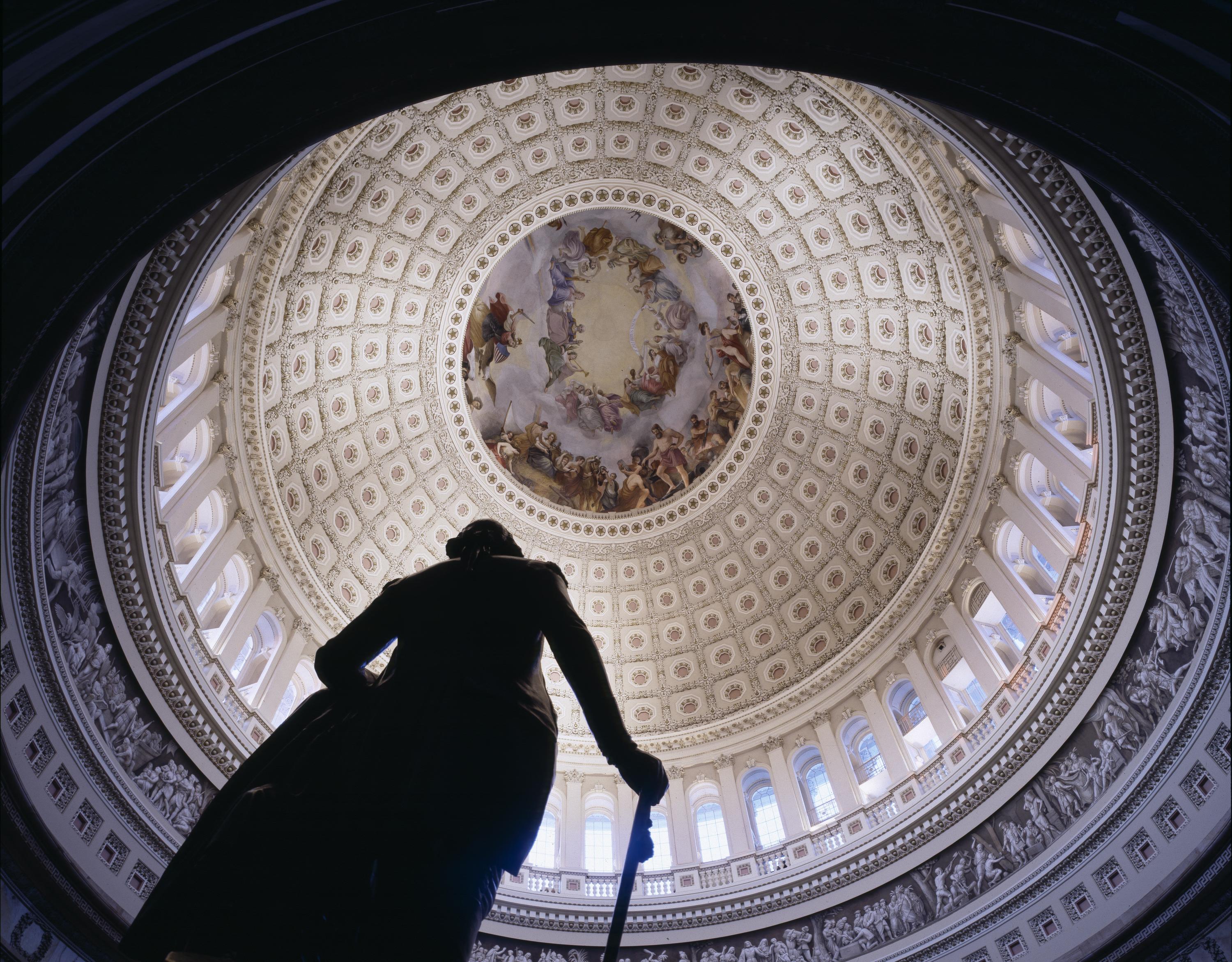
The Senate held a cloture vote today on the CLARITY Act, the bill meant to finally tell crypto exchanges which regulator they answer to. Forty-nine senators voted yes, fifty voted no, and the rule requires sixty. Bitcoin slid through the session as the vote failed. Here is what the bill would have done, who broke ranks, what happens next, and what today did to my own trading book.
SEPTEMBER 15, 2026
Eleven Votes Short of Clarity
The Senate held a cloture vote today on the CLARITY Act, the bill meant to finally tell crypto exchanges which regulator they answer to. Forty-nine senators voted yes, fifty voted no, and the rule requires sixty. Bitcoin slid through the session as the vote failed. Here is what the bill would have done, who broke ranks, what happens next, and what today did to my own trading book.
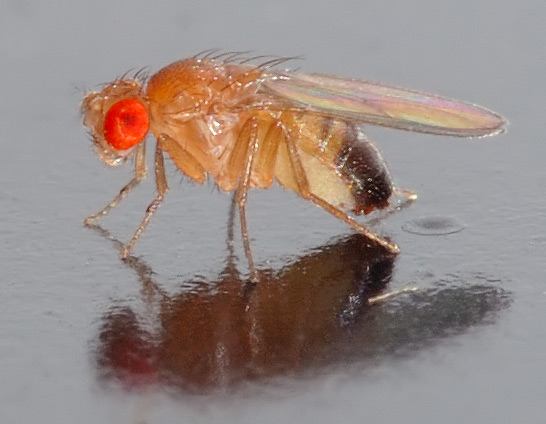 SEPTEMBER 15, 2026
One Watt a Terahash, and the Math It Skips
A real mining-hardware company tweeted this week that it built a Bitcoin miner out of a fruit fly's brain, claiming ten times the efficiency of the best silicon ASIC on the market. The neuron map behind it is genuinely new science, released this month. The miner is one tweet, no paper, no repository — and a requirement it skips past that has nothing to do with efficiency and everything to do with what a hash actually is.
SEPTEMBER 15, 2026
One Watt a Terahash, and the Math It Skips
A real mining-hardware company tweeted this week that it built a Bitcoin miner out of a fruit fly's brain, claiming ten times the efficiency of the best silicon ASIC on the market. The neuron map behind it is genuinely new science, released this month. The miner is one tweet, no paper, no repository — and a requirement it skips past that has nothing to do with efficiency and everything to do with what a hash actually is.
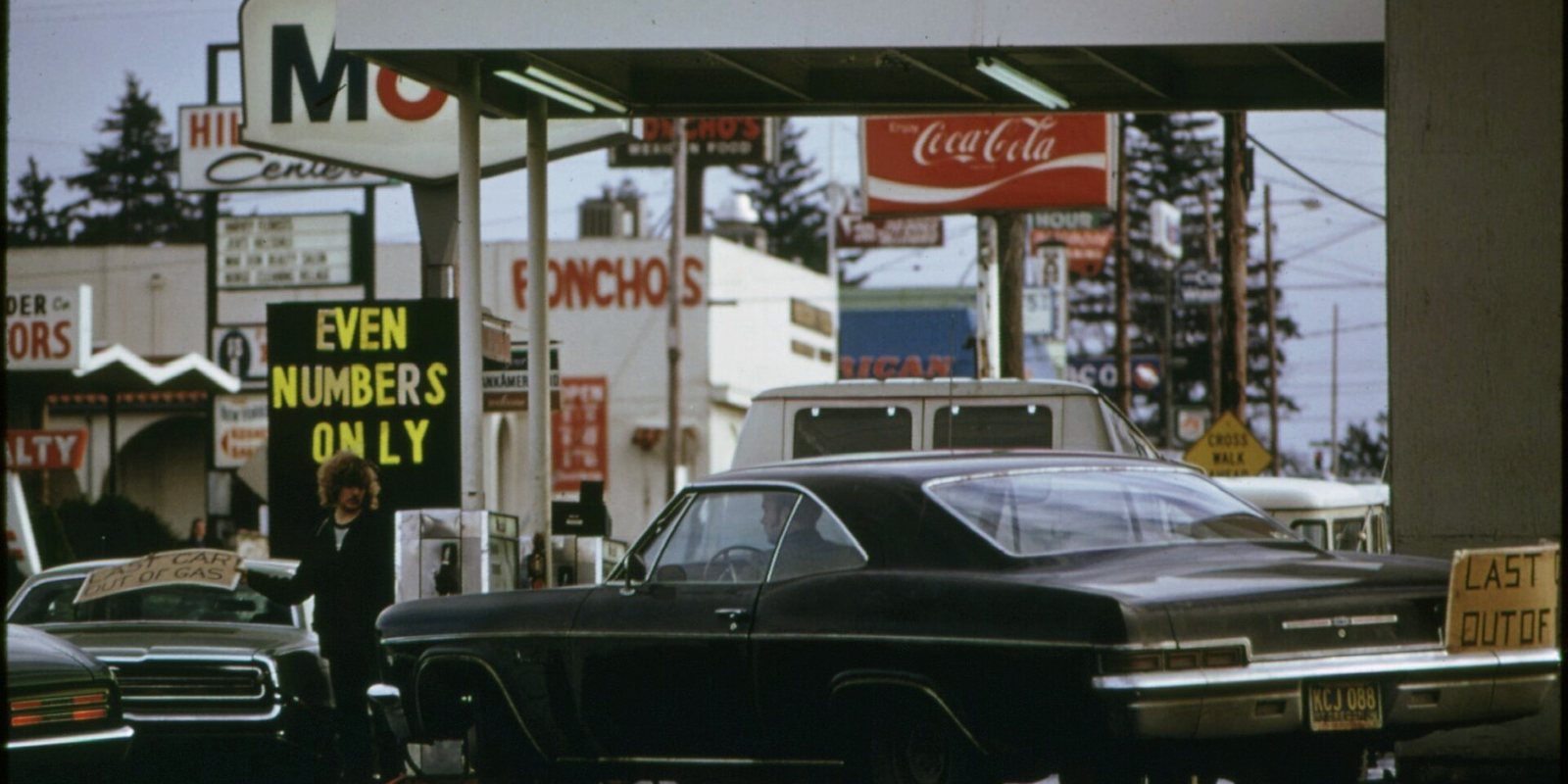 SEPTEMBER 12, 2026
A Rate Hike Against a Strait
On Friday the inflation number came in at 3.4 percent and the futures market moved to better than 85 percent odds that the Federal Reserve raises interest rates next Wednesday. Take energy out of that 3.4 and it reads 2.4 — a whisker from the target. So the Fed is about to raise the price of money in the United States against a number that is mostly a closed strait on the other side of the world. I wanted to know whether that has ever worked, so I went back through five oil shocks and looked at what the Fed did each time.
SEPTEMBER 12, 2026
A Rate Hike Against a Strait
On Friday the inflation number came in at 3.4 percent and the futures market moved to better than 85 percent odds that the Federal Reserve raises interest rates next Wednesday. Take energy out of that 3.4 and it reads 2.4 — a whisker from the target. So the Fed is about to raise the price of money in the United States against a number that is mostly a closed strait on the other side of the world. I wanted to know whether that has ever worked, so I went back through five oil shocks and looked at what the Fed did each time.
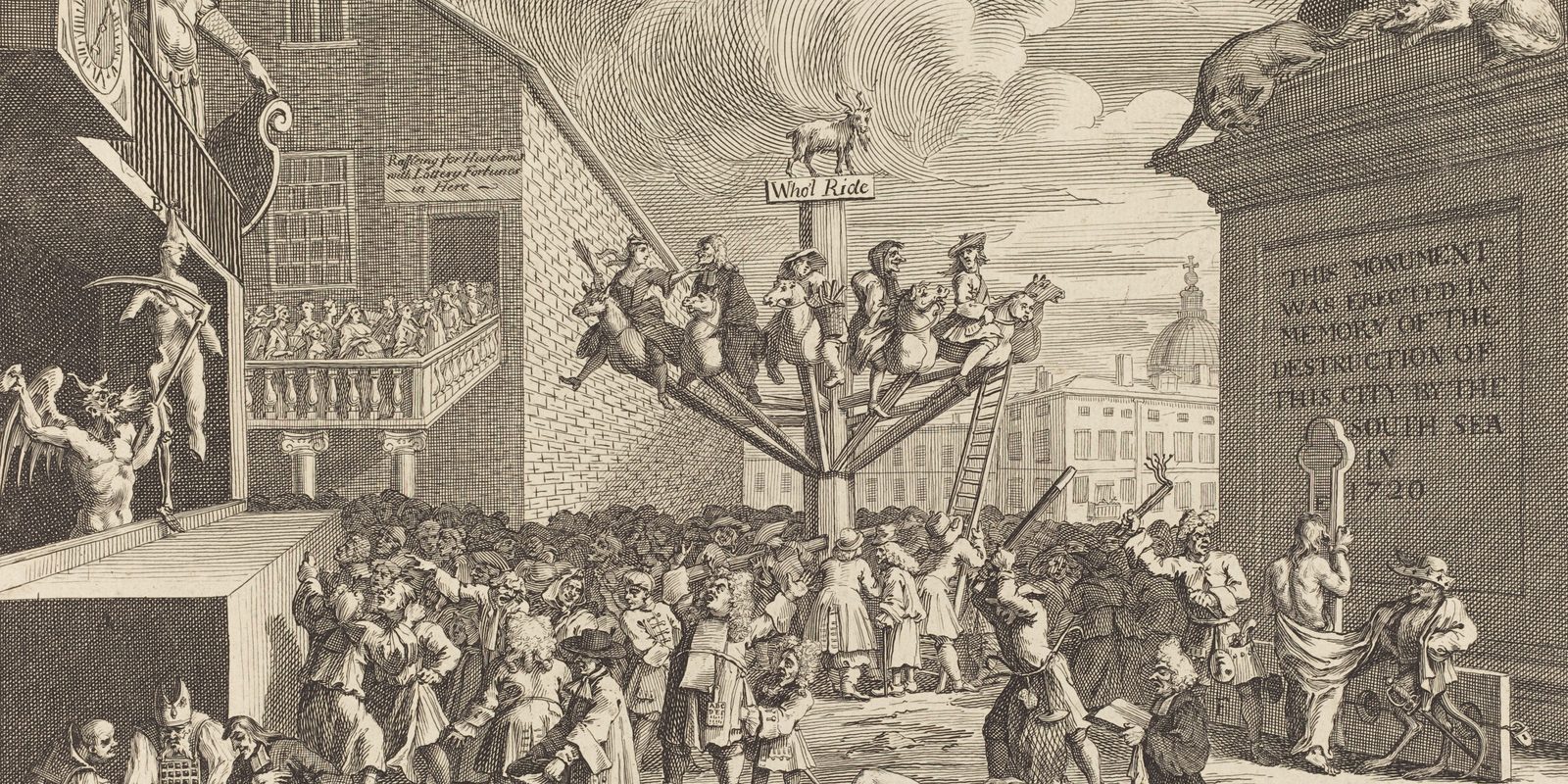 SEPTEMBER 11, 2026
The Laptop That Was Worth More Than BlackRock for Two Minutes
On Wednesday morning Hunter Biden's $LAPTOP token opened at eight cents and printed $339 two minutes later — a "market cap" bigger than BlackRock — before falling 99 percent in the hour. Biden says the market maker seeded the pool with $5,000. I wanted to understand how five thousand dollars can print three hundred billion, so here is the arithmetic of an automated market maker, the on-chain tape minute by minute, who was on the other side, and what has happened since.
SEPTEMBER 11, 2026
The Laptop That Was Worth More Than BlackRock for Two Minutes
On Wednesday morning Hunter Biden's $LAPTOP token opened at eight cents and printed $339 two minutes later — a "market cap" bigger than BlackRock — before falling 99 percent in the hour. Biden says the market maker seeded the pool with $5,000. I wanted to understand how five thousand dollars can print three hundred billion, so here is the arithmetic of an automated market maker, the on-chain tape minute by minute, who was on the other side, and what has happened since.
 SEPTEMBER 11, 2026
We Killed Twenty-Five Trading Strategies to Keep Three
Since June I have been building automated trading strategies with an AI coding assistant — about forty of them, on one small brokerage account. Twenty-five are switched off, a dozen are still simulating, and three trade real money. Every trading blog publishes its winners; here is the graveyard, with the cause of death written on each stone, because the reasons turned out to be the interesting part — and because the three survivors are only worth believing if you have seen what it took to get down to three.
SEPTEMBER 11, 2026
We Killed Twenty-Five Trading Strategies to Keep Three
Since June I have been building automated trading strategies with an AI coding assistant — about forty of them, on one small brokerage account. Twenty-five are switched off, a dozen are still simulating, and three trade real money. Every trading blog publishes its winners; here is the graveyard, with the cause of death written on each stone, because the reasons turned out to be the interesting part — and because the three survivors are only worth believing if you have seen what it took to get down to three.
 SEPTEMBER 10, 2026
He Drew It at 120 Degrees. They Built It at 90.
Robert Propst designed the cubicle to give office workers a screen they controlled. He lived to watch companies turn it into a box, and called the result "monolithic insanity." The strange part is that nothing was added to his design to ruin it — the panels were only turned, from an open 120-degree screen into a closed 90-degree cell. Six decades later the walls are gone again, the desk is unassigned, and attendance is mandatory. The thing being spent has been the same the whole time.
SEPTEMBER 10, 2026
A Jar Is Not a Vault: Reading My Friend's Lightning Wallet Before I Recommend It
A friend of mine spent six months building a self-custodial Lightning wallet that runs in a browser, and he'd be the first to tell you it has no audit. I trust him — which is exactly why I shouldn't ask you to trust it on my say-so. So I read the code, checked the served binary against the published hashes, and worked out what the trust model really is. Along the way, the thing every Lightning wallet review should say and mostly doesn't: what a Lightning wallet is for, and what it is not.
SEPTEMBER 10, 2026
He Drew It at 120 Degrees. They Built It at 90.
Robert Propst designed the cubicle to give office workers a screen they controlled. He lived to watch companies turn it into a box, and called the result "monolithic insanity." The strange part is that nothing was added to his design to ruin it — the panels were only turned, from an open 120-degree screen into a closed 90-degree cell. Six decades later the walls are gone again, the desk is unassigned, and attendance is mandatory. The thing being spent has been the same the whole time.
SEPTEMBER 10, 2026
A Jar Is Not a Vault: Reading My Friend's Lightning Wallet Before I Recommend It
A friend of mine spent six months building a self-custodial Lightning wallet that runs in a browser, and he'd be the first to tell you it has no audit. I trust him — which is exactly why I shouldn't ask you to trust it on my say-so. So I read the code, checked the served binary against the published hashes, and worked out what the trust model really is. Along the way, the thing every Lightning wallet review should say and mostly doesn't: what a Lightning wallet is for, and what it is not.
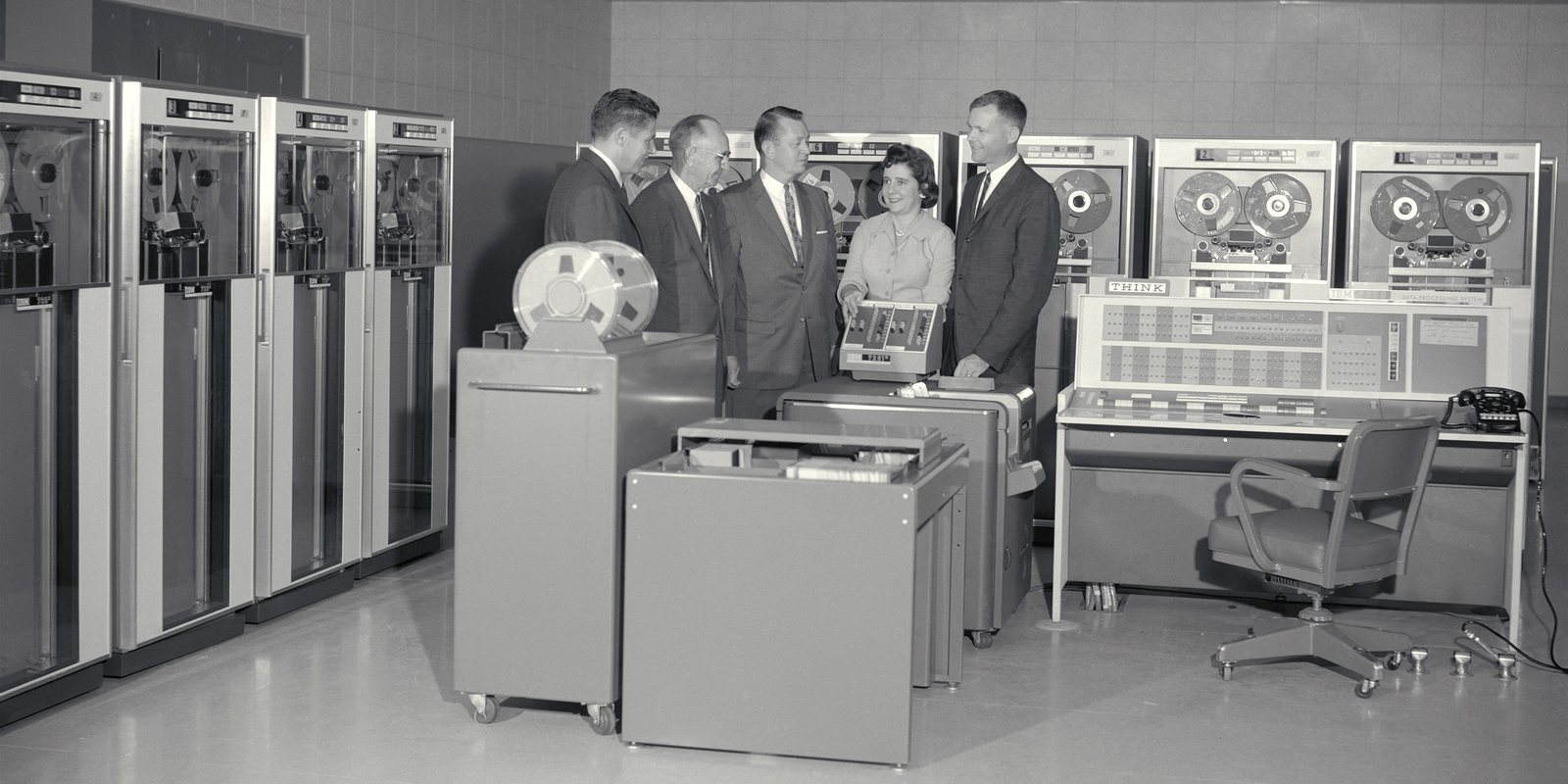 SEPTEMBER 10, 2026
Six Million Tokens in Eleven Minutes
Some friends and I have been arguing about whether it will ever seem normal to spend six million tokens in eleven minutes to make a blog post — and whether a world where the well-off can run AI flat out leaves everyone else with the crumbs. So I priced the tokens, traced where the price is going, and went back to the last time a machine cost more than a house. The number that matters isn't the token count. It's which of two prices you're paying, and who is paying for the free one.
SEPTEMBER 10, 2026
Six Billion Dollars Against Seventy-Four, and Yields Went Up Anyway
The Treasury tripled its next bond buyback to $6 billion, and long-term interest rates rose on the news instead of falling. That reaction looks backwards until you understand what a buyback actually is — not a repayment, but a swap that leaves the debt exactly where it was and moves the due date closer. Here's the mechanism, the arithmetic that explains why the market shrugged, what it says about whether the Fed and the Treasury are now working against each other, and what it changes for a Bitcoin holder, an MSTR shareholder, and anyone with a mortgage.
SEPTEMBER 10, 2026
Six Million Tokens in Eleven Minutes
Some friends and I have been arguing about whether it will ever seem normal to spend six million tokens in eleven minutes to make a blog post — and whether a world where the well-off can run AI flat out leaves everyone else with the crumbs. So I priced the tokens, traced where the price is going, and went back to the last time a machine cost more than a house. The number that matters isn't the token count. It's which of two prices you're paying, and who is paying for the free one.
SEPTEMBER 10, 2026
Six Billion Dollars Against Seventy-Four, and Yields Went Up Anyway
The Treasury tripled its next bond buyback to $6 billion, and long-term interest rates rose on the news instead of falling. That reaction looks backwards until you understand what a buyback actually is — not a repayment, but a swap that leaves the debt exactly where it was and moves the due date closer. Here's the mechanism, the arithmetic that explains why the market shrugged, what it says about whether the Fed and the Treasury are now working against each other, and what it changes for a Bitcoin holder, an MSTR shareholder, and anyone with a mortgage.
 SEPTEMBER 10, 2026
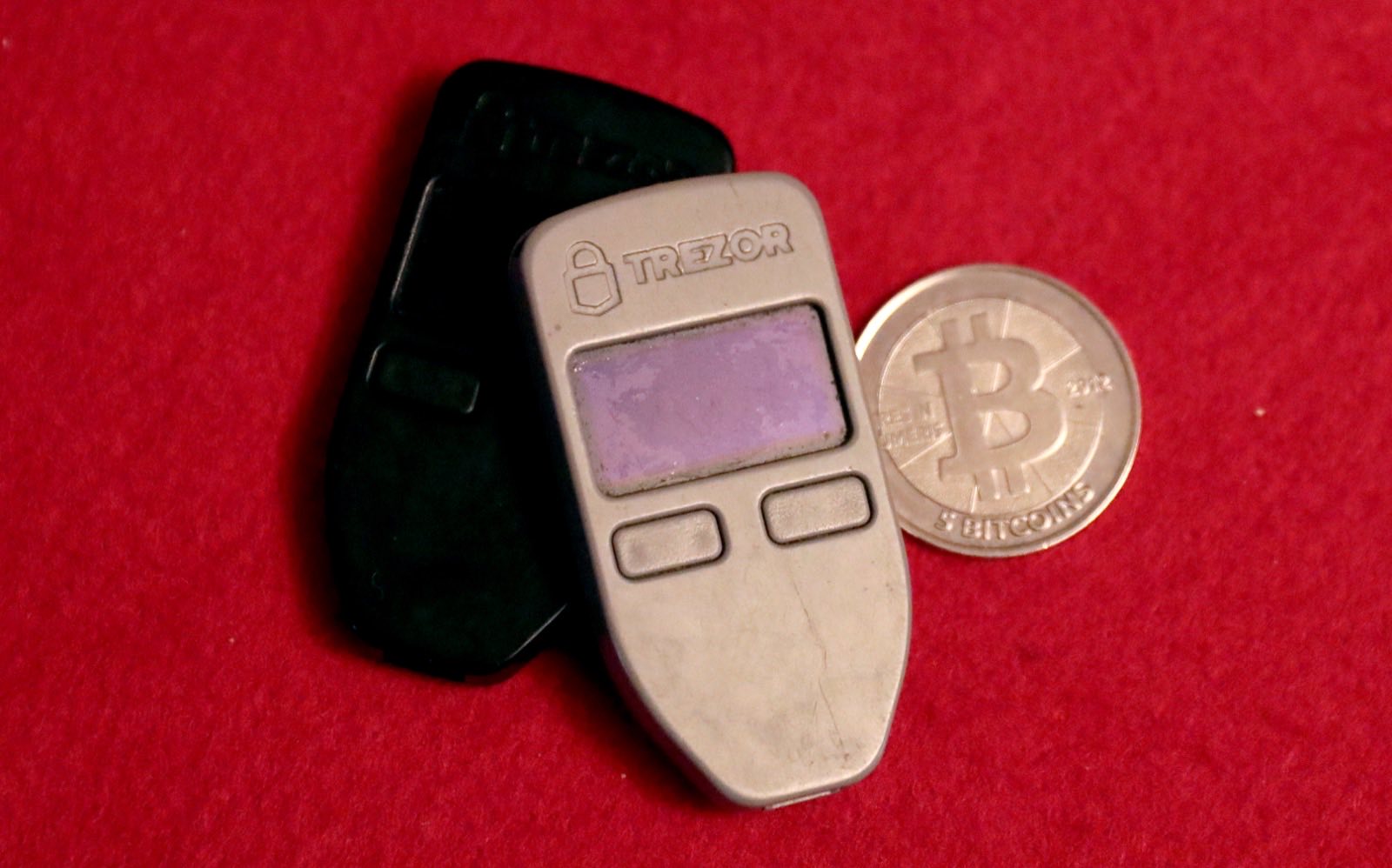
The Phishing Email Really Was From Trezor
On September 9th roughly 347,000 people got an email from help@trezor.io warning them about a chip flaw in their wallet and pointing them somewhere to check it. It was a phishing attack — and it came from Trezor's real domain, passed every authentication check a mail server performs, and borrowed its cover story from two vulnerabilities that are genuinely real. This is Trezor's second breach in a month and its third this year, and not one of them touched the device.
SEPTEMBER 9, 2026
"Not Your Keys, Not Your Coins" Just Grew a Second Half
Alby disclosed a critical flaw in Alby Hub, its self-hosted Lightning node software, that could let an attacker who reaches an exposed control panel send your bitcoin out from under you. The twist worth sitting with is the timeline — the fix shipped over a year before the warning did — and what that gap actually tells self-custody Bitcoiners about the setting they should have checked already.
SEPTEMBER 10, 2026
The Phishing Email Really Was From Trezor
On September 9th roughly 347,000 people got an email from help@trezor.io warning them about a chip flaw in their wallet and pointing them somewhere to check it. It was a phishing attack — and it came from Trezor's real domain, passed every authentication check a mail server performs, and borrowed its cover story from two vulnerabilities that are genuinely real. This is Trezor's second breach in a month and its third this year, and not one of them touched the device.
SEPTEMBER 9, 2026
"Not Your Keys, Not Your Coins" Just Grew a Second Half
Alby disclosed a critical flaw in Alby Hub, its self-hosted Lightning node software, that could let an attacker who reaches an exposed control panel send your bitcoin out from under you. The twist worth sitting with is the timeline — the fix shipped over a year before the warning did — and what that gap actually tells self-custody Bitcoiners about the setting they should have checked already.
 SEPTEMBER 9, 2026
"Coded and Audited by AI," and the Longer Story Underneath That Sentence
A beta Bitcoin wallet's own README says, in one sentence, that it was coded and audited by frontier AI models. Taken alone that sentence would worry me. Taken alongside the actual security document and the actual changelog, it turns out to be shorthand for something more specific, more human, and more interesting than the sentence lets on.
SEPTEMBER 8, 2026
Older Than the United Nations, and Never Asked to Join
Three institutions get lumped together in casual conversation, and they have three genuinely different jobs, three different owners, and three different relationships to the United Nations — one of them predates the UN entirely and was never made to join it. Here's what the BIS actually regulates, what the IMF actually lends and prices, and where a Special Drawing Right actually comes from.
SEPTEMBER 9, 2026
"Coded and Audited by AI," and the Longer Story Underneath That Sentence
A beta Bitcoin wallet's own README says, in one sentence, that it was coded and audited by frontier AI models. Taken alone that sentence would worry me. Taken alongside the actual security document and the actual changelog, it turns out to be shorthand for something more specific, more human, and more interesting than the sentence lets on.
SEPTEMBER 8, 2026
Older Than the United Nations, and Never Asked to Join
Three institutions get lumped together in casual conversation, and they have three genuinely different jobs, three different owners, and three different relationships to the United Nations — one of them predates the UN entirely and was never made to join it. Here's what the BIS actually regulates, what the IMF actually lends and prices, and where a Special Drawing Right actually comes from.
 SEPTEMBER 6, 2026
Nearly Four Thousand Bitcoin, and Why I Uninstalled Aqua
A federation that was supposed to hold every L-BTC one-to-one in real bitcoin just watched roughly four thousand bitcoin walk out the door in a single afternoon. The working theory is an inflation bug in Liquid's confidential transactions, and the functionaries signed the withdrawal anyway — because from where they sat, it looked completely normal.
AUGUST 8, 2026
How Many Bitcoins Are There, Exactly?
Gold and silver's numbers on the board above are genuine estimates. Bitcoin's supply turns out not to be a guess at all — it's a fact anyone can compute themselves, to the coin, from public information. Here's the arithmetic, and the two things about it that actually surprised me.
AUGUST 4, 2026
A Twenty-Five-Minute Window, and Why I Split the Key
A firmware bug sat undetected for five years, then drained over a hundred million dollars from Coldcard wallets in one week. Why I have never trusted a single device with all of mine, and what my Bitkey actually does.
SEPTEMBER 6, 2026
Nearly Four Thousand Bitcoin, and Why I Uninstalled Aqua
A federation that was supposed to hold every L-BTC one-to-one in real bitcoin just watched roughly four thousand bitcoin walk out the door in a single afternoon. The working theory is an inflation bug in Liquid's confidential transactions, and the functionaries signed the withdrawal anyway — because from where they sat, it looked completely normal.
AUGUST 8, 2026
How Many Bitcoins Are There, Exactly?
Gold and silver's numbers on the board above are genuine estimates. Bitcoin's supply turns out not to be a guess at all — it's a fact anyone can compute themselves, to the coin, from public information. Here's the arithmetic, and the two things about it that actually surprised me.
AUGUST 4, 2026
A Twenty-Five-Minute Window, and Why I Split the Key
A firmware bug sat undetected for five years, then drained over a hundred million dollars from Coldcard wallets in one week. Why I have never trusted a single device with all of mine, and what my Bitkey actually does.
OCTOBER 8, 2026
One Door, Two Keys: What Quantum Computers and Super Intelligence Could Actually Do to Bitcoin
A famous cryptographer said "we might lose public key cryptography," and Bitcoiners heard their own signature scheme in it. The thread turned out to be about Super Intelligence (SI) maths as much as quantum computers. The honest version is narrower: ECDSA and Schnorr are one door with two kinds of key, most coins are protected by a hash rather than a curve, and what differs between the two threats is warning time, not which door is at risk.
OCTOBER 8, 2026
Will the US Government Really Start Buying Stocks? Checking Cem Karsan's "Big Print" Call
A 69-minute interview says the US will print money and buy stocks through a sovereign wealth fund, probably after the midterms and after a 25 to 35 percent crash. The headline is bolder than the speaker. Here is what he actually argues, which pieces check out, and which pieces do not follow.
OCTOBER 7, 2026
Bitcoin Supply Shock: The Exchange Float
Bitcoin Magazine says the supply of Bitcoin on exchanges just hit a seven-month low and tells you to "plan accordingly." This is a standing page that tracks that number by hand, says which provider it came from, and keeps asking the awkward question: did the coins leave for good, or just for a different building?
OCTOBER 7, 2026
Robinhood Buys Its First Bitcoin, and the Executive Calls It a Rounding Error
Robinhood disclosed on 7 October 2026 that it bought about $25 million of Bitcoin for its own balance sheet, the first time it has ever done so. The company's own crypto chief says the position "is not going to change a lot of the current trajectory of the company." Held against Robinhood's size and against Strategy's pile, it is a gesture, and the interesting question is who the gesture is for.
OCTOBER 7, 2026
Twenty-Eight Questions, Nine Thousand Answers
A $15 trillion asset manager footnoted a study saying AI models would save in Bitcoin and spend in stablecoins, and the footnote became a headline. I went to the study. Thirty-six chatbots, twenty-eight distinct questions, and a spread from 91.3% to 18.3% that tells you more about who trained the chatbot than about money. Then I checked what real AI agents are paying with today, and the number is smaller than anyone's slide deck.
OCTOBER 6, 2026
Aramco's CEO Says Under 6 Billion Barrels Remain. Under 6 Billion of What?
Saudi Aramco's chief executive told a London conference that less than six billion barrels of commercial oil inventories remain, "the vast majority not practically available." A viral post set that beside JPMorgan's "operational floor" of 6.8 billion and implied the line had been crossed. The two numbers measure different things, and the real warning in his speech is somewhere else.
OCTOBER 6, 2026
CME Dropped 24/7 Oil Trading. "Staffing" Is the Smallest Reason.
On Friday CME Group withdrew its filing for a 24/7 oil futures contract, and a widely shared post made it sound like an exchange that couldn't find weekend staff. The record is stranger and more useful than that — a regulator's stay in July, a stated worry about unintended consequences, and a list of objections in which staffing is the least interesting one.
OCTOBER 6, 2026
Is Bitcoin "Tokenized Compute"? Jason Lowery's AI Argument, Checked
Jason Lowery, the MIT researcher behind Softwar, posted that Bitcoin is "tokenized compute" and that AI will need BTC to afford its own actions. Some links in that chain hold and some strain. Here is what his thesis actually says, what the numbers on AI payments look like today, and where I think the argument bends.
OCTOBER 6, 2026
The Rule That Never Mentioned Lightning
FinCEN withdrew its 2023 proposal to label crypto mixing a "primary money laundering concern." I read the withdrawal notice and the original proposal. Neither says the word Lightning, but the proposal's definition of mixing was written so broadly that a literal reading brushes against how Lightning works. Here is what the rule said, what it would have meant for Lightning service providers, what the withdrawal changes today, and what it leaves alone.
OCTOBER 5, 2026
Bitcoin Didn't Start in 2008
The whitepaper is nine pages and cites eight sources. Behind those eight sits a thirty-four-year pile of other people's work, from TCP/IP in 1974 to Hal Finney in 2004. Here is the whole stack in two minutes of video.
OCTOBER 5, 2026
Gold Is Still Fixed Twice a Day. It Just Stopped Using a Phone.
The London Gold Fix did not disappear. Since 2015 it has been an electronic auction at the same two times of day, run by an exchange company instead of five banks. Here is how the auction works, what the old fix was actually caught doing, and whether the new one can be spoofed the way JPMorgan spoofed gold futures.
OCTOBER 5, 2026
"I Am the House," Said Treasury. The Bond Market Took the Other Side.
Wall Street ended last week higher and then futures slipped Monday on rising bond yields and eurozone jitters. Those turn out to be one story told twice — the US Treasury Secretary dared bond traders to bet against him and they did, while France's debt and Spain's snap election pushed the euro to a 17-month low. I went and read both.
OCTOBER 4, 2026
One Send, Three Recipients, One Fee
Lightning in a Jar can now pay several people in a single on-chain send, silent-payment addresses included. The builder posted a test spend; I found it in the blockchain, checked the arithmetic, and looked for the matching change in the public repository. Here is what that one transaction shows, what batching does and doesn't buy you, and what I haven't tested.
OCTOBER 4, 2026
The Smaller Your Screen, the Bigger Your Title
A friend sent a joke chart plotting screen size against corporate rank, with the CEO on an iPhone and the bottom rung behind two monitors. It's satire with no data behind it, but it's funny because it's half true. Here's which half, and what the chart accidentally gets right about who has to look at the raw numbers.
OCTOBER 2, 2026
One Dashboard, Fifty Accounts, No Human in the Loop
A video making the rounds on X shows a wall of phone screens, each one a social media account posting, replying and liking on its own — the poster's caption claims a single AI dashboard is orchestrating fifty of them at once. The clip is a provocation, not a product demo, but the real numbers behind "dead internet theory" don't need the video's help. Here's what's actually measured, what's just a claim, and what it means for anyone still scrolling in good faith.
OCTOBER 2, 2026
The Bridge Loan Nobody Signed For
A ZeroHedge post making the rounds argues that $2-3 trillion a year of circular, on-and-off-balance-sheet AI financing is a bridge loan — one that only gets repaid once enterprise AI spend reaches about $3 trillion a year in 2031. I checked how real the "circular financing" part is and how solid the 2031 number actually looks.
OCTOBER 1, 2026
The Vault Rule Got Rewritten the Day Before She Left
Today the SEC proposed the rule that decides whether your financial advisor can actually hold crypto for you, and it does something the custody rule hasn't done since it was written in response to Bernie Madoff: let the advisor be the vault. It also quietly blesses something the industry has been doing in a legal gray zone for years. The vote landed on commissioner Hester Peirce's second-to-last day on the job, and her own statement reads like a closing argument.
OCTOBER 1, 2026
Two Lines Cross on the Page
A friend shared a tweet from Bitwise's CIO citing a San Francisco Fed chart on stablecoin issuers' growing Treasury holdings, with "the entire stablecoin ecosystem is going much, much higher." Another friend in the same group chat flagged the chart's scale. A third asked the more basic question: higher in what? I pulled the actual Fed letter to answer both.
SEPTEMBER 30, 2026
The Committee That Won't Say Its Own Name
A policy paper published today calls index providers "Wall Street's invisible committee." I went and found the actual committees — six unnamed people at MSCI who can decide whether Bitcoin counts as an operating asset, a board at FTSE Russell that is contractually forbidden from naming its own members, and the one index manager anyone actually knows by name, only because the SEC caught him trading on what he knew. Feedback on the live MSCI proposal closes today. The decision lands October 16.
SEPTEMBER 30, 2026
The Great Power That Can't Use SWIFT
"Our country can either be a great power, or it will not exist at all," Dmitry Medvedev told regional party officials on September 16. That's the Kremlin's own case for why the war continues — existential, civilizational, not up for negotiation. I wanted to know what that case looks like from the inside, and once I went looking, I found something more concrete than rhetoric sitting right next to it: $300 billion frozen, a payments system Russia no longer trusts, and a very specific, very measurable pivot toward crypto rails that started well before this month's headlines.
SEPTEMBER 30, 2026
The Jar Ships What It Promised
Two things I flagged as "he says so, but I can't see it yet" in my last two Lightning in a Jar posts — a recovery scheme for silent payments, and Nostr Wallet Connect — showed up in the public repository overnight. I went and checked. Both are there, and the code backs up what he told me.
SEPTEMBER 30, 2026
Two Bits at a Time, Through a Stranger's iPhone
Tonight Calle posted a photo of a thumb-sized board taped to a battery, a screen reading "FIND MY NUTS," and a terminal showing a 409-byte bitcoin ecash token reassembled on the other end. It traveled with no internet connection on the sending side. Every piece of it was carried by iPhones that happened to be nearby and had no idea they were carrying money. Here's how it actually works, what it does and doesn't mean for Bitcoin, and what I think Apple does about it.
SEPTEMBER 30, 2026
Two-Tenths of a Percent, If Illinois Can See You
Illinois just became the first state to tax Bitcoin transactions directly — a 0.2% Digital Asset Tax Act taking effect January 1, 2027. I went looking for what it actually reaches, using two Kankakee residents as the test case: one who owns a Bitcoin ETF inside an ordinary brokerage account, and one who wants to buy coffee with sats over the Lightning Network. The tax lands hard on one of them, barely touches the other, and can't see the actual coffee purchase at all — and the reason why says a lot about how a state can tax a ledger it doesn't control.
SEPTEMBER 29, 2026
The Coins Exchanges Won't Let Back In
CoinJoin — a real, measurable Bitcoin privacy technique — mixes coins in a way that risk-scoring vendors flag and some exchanges won't cleanly accept back. That's a second leak in the supply math besides "lost forever" coins, and a genuinely different one from the STRC/SATA absorption story. I went and sized it. It's real, it's underappreciated, and it's much smaller than either of those two.
SEPTEMBER 29, 2026
The Jar Learns to Hide Which Jar
A quick follow-up to my Lightning in a Jar review — the wallet's author tells me he's shipped Silent Payments, send and receive, with the first inter-wallet transactions running tonight. Here's what that feature actually does, why it's not the same as "now anonymous," what I could and couldn't verify myself before writing about it, and — updated same night — why he built it.
SEPTEMBER 26, 2026
Eighteen Months and Twenty-One Million
A Microsoft executive says most white-collar work gets automated in the next 12 to 18 months. A New York Times investigation says Silicon Valley is already bracing for the underclass that leaves behind. And I keep getting told, in real time, that Bitcoin is the one thing standing between any person, company, or AI agent and what comes next. I checked the actual mechanism — the energy, the bond math, the reserve data, and what AI agents are literally paying each other with this year — and the honest answer splits the argument instead of settling it.
SEPTEMBER 26, 2026
Four Thousand Tonnes and No API
Central banks bought more than 4,000 tonnes of gold between 2022 and early 2026 — the largest sustained institutional accumulation in modern financial history — because it's a reserve asset nobody else's government controls. Bitcoin's pitch to the same reserve managers isn't replacing gold, it's being gold with an API: instantly portable, verifiable without an assay, settleable in ten minutes instead of a bonded shipment. This is a watching piece, not a verdict — I'll update it as the actual sovereign-reserve data moves rather than wait for a tidy ending.
SEPTEMBER 26, 2026
Nine Hundred and Twenty Million, Paid in Cash
A reasonable question keeps coming up: if CME can move Bitcoin's price with paper contracts, can it eventually undermine the 21 million cap the same way gold's paper market has allegedly floated free of physical reality for decades? The honest answer needs two separate facts held apart — what CME's contracts actually settle in, and what a real bank actually got caught and fined $920 million for doing to gold.
SEPTEMBER 26, 2026
The Exchanges CME Decided to Trust
"Nine Hundred and Twenty Million, Paid in Cash" left one honest thread hanging: CME's Bitcoin futures settle against a reference rate built from real spot exchanges, but can those specific exchanges be gamed? I went and found out which six exchanges CME actually uses, what vets them, and what's still genuinely unresolved about two of them.
SEPTEMBER 26, 2026
Track One: Satoshi Raps the Whitepaper
A stranger on X asked an AI agent to track down Satoshi Nakamoto and get him to rap the Bitcoin whitepaper. What came back is a studio session, a mic, and — allegedly — pineapple jalapeno pizza. It's also the first entry in something new here: a running, tagged collection of the songs, videos and memes Bitcoin's culture keeps producing, filed so the next one is easy to find.
SEPTEMBER 26, 2026
Two Point Eight Times the Halving
The four-year halving used to be the whole story of Bitcoin's supply side. It isn't anymore. Treasury companies are now absorbing BTC at roughly 2.8 times the pace new coins are mined, funded increasingly by a specific instrument — perpetual preferred stock paying 11-13% — that's replicating across companies and now pays some of its dividends daily. I went looking for the moment that mechanism actually kicked into gear. I didn't find a clean one, and that's worth saying honestly.
SEPTEMBER 25, 2026
A Private Room With a Public Door
Someone sent me a write-up I didn't understand at first, claiming Zcash-style privacy now works on Bitcoin itself — no soft fork, no new coin — and a real private transfer confirmed on mainnet this morning to prove it. Both halves are true. Here is how it works in plain English, what the demo actually proved, the flaws its own builders list first, whether swapping the one-key vault for a decentralized escrow would fix it, and why, if I had to make Bitcoin private for a normal person tomorrow, I would still start with Lightning.
SEPTEMBER 25, 2026
Bought the Dip, After Selling It
Somebody at Starbucks this morning asked whether I'd heard that Trump bought MicroStrategy. So I read the filing. Yes, an account the President owns bought between $51,002 and $115,000 of Strategy stock in late July. It had sold some in June, days before the year's low, and the purchases came in 11 to 20 percent above that low, not at it. The same filing shows a single Amazon sale that could be two hundred times the size of all the MSTR buys put together.
SEPTEMBER 25, 2026
Ninety Percent of Nothing
A tax idea keeps making the rounds: abolish federal and state income taxes for every US citizen, tax the profits of big public companies at 90% instead, keep taxing non-citizens, and break up monopolies in the process. It's easy to see why it appeals, since it hits a real nerve. I ran the arithmetic and followed what companies would actually do the morning after. The honest answer is that a 90% rate on corporate profit mostly teaches companies to stop reporting profit. After that I go through six alternatives that aim at the same targets, with what each one really costs.
SEPTEMBER 25, 2026
The Fed Wrote the House Rules. Nobody Lives There Yet.
On September 24 the Federal Reserve proposed its rulebook for the stablecoin issuers it will supervise under the GENIUS Act — Treasury bills of 93 days or less, a two-business-day redemption promise, a capital charge that starts at two percent, and an automatic wind-down for anyone who falls short. The headlines say the Fed is telling stablecoins what to hold. Mostly Congress already did that. What the Fed actually decided is more interesting, and the list of issuers it applies to today is empty.
SEPTEMBER 25, 2026
Three Cents a Day, Sundays Included
Strategy wants to pay dividends on all four of its U.S. preferred stocks every single day, weekends included, starting with STRC on November 1. My first reaction was that this could change everything. Then I did the arithmetic. The amount of money doesn't change at all; the shape of it does. The part that could actually matter is sitting in reason number five of the proxy.
SEPTEMBER 23, 2026
Binance Rebuilt My Bitkey, Minus the Metal
An email landed today announcing Binance.US's new self-custody wallet — no seed phrase, keys split three ways, "no single point of failure." I already own the product that pitch describes; it's called a Bitkey, and Block shipped it two years ago. Here's what's actually the same, what's genuinely different, and why one detail — what's doing the signing, not the math behind it — is the whole ballgame.
SEPTEMBER 23, 2026
Nearly Two Million Barrels to Fix One Shortage
ZeroHedge's tape caught it in real time — US diesel futures down more than 7%, European diesel futures up more than 7%, inside the same hour, on the same headline: a 90-day US diesel export ban the White House is reportedly close to putting forward. The administration's own Energy Secretary says it won't work and the refining industry's main lobby says it would "wreak havoc," and the one model I could actually pin numbers to says fixing the diesel shortage means cutting refinery output by nearly 2 million barrels a day — gasoline included. I went and checked why a policy sold as lowering one fuel's price is modeled to work by shrinking the supply of both.
SEPTEMBER 23, 2026
The Family That Now Owns Your Childhood
Paramount Skydance's roughly $110 billion purchase of Warner Bros. Discovery cleared its last legal obstacle this week, and the list of what one company now controls is almost absurd to read in one sentence: CBS and CNN, HBO and MTV, SpongeBob and Bugs Bunny, Harry Potter and Transformers. The federal government approved the deal in June with zero conditions attached. It took twelve state attorneys general suing on their own, separately, to get any guardrails at all — and even then, nobody broke anything up. I built the org chart and read the settlement so you don't have to.
SEPTEMBER 22, 2026
Seventeen Billion Reasons They're Still Not In
Strategy bought bitcoin again last week, bought back its own preferred stock, and got snubbed by the S&P 500 for the fourth time running — this time for a very specific, very quotable reason: a $17.44 billion unrealized loss that the same accounting rule which handed the company a $10 billion GAAP profit last year just as easily handed it a $8.2 billion GAAP loss this year. I went and checked all four numbers.
SEPTEMBER 21, 2026
Eleven Percent for a Hole in Glass
Intel jumped in Monday premarket and closed up about 11 percent on reports that it will work with Taiwan's AU Optronics on Micro LED packaging built into glass substrates — embedding chips in glass and wiring them with through-glass vias, aimed at co-packaged optics for AI datacenters. The engineering is real and genuinely important. The announcement is not an announcement: it came from a Taiwanese newspaper, Intel declined to comment, and nobody has put a contract, a date or a dollar figure on the record.
SEPTEMBER 21, 2026
Four Hundred Million for a Model Nobody Has Seen
Naive AI, founded in Beijing in February 2026 by Tsinghua professor Dai Jifeng, has raised about $400 million across three rounds at a $1.42 billion valuation, backed by Tencent, IDG Capital, MPCi and HSG. It has fewer than a hundred employees and has not released a model. Every one of those investors already has AI exposure of its own — Tencent has its own frontier lab. The interesting question isn't whether the company is good. It's why a corporate investor pays to stand outside its own building.
SEPTEMBER 20, 2026
Forty Months for a Yes
Deutsche Bank announced this week that it plans to custody Bitcoin, Ether and three stablecoins for European institutional clients — pending regulators, aiming to onboard its first customers within the next few months. The custody plan is straightforward. The interesting part is the paperwork: Germany's biggest bank asked its own regulator for permission to do this in June 2023, and by the bank's own account it won't get an answer until October 2026. Four smaller German banks asked later and finished years ago.
SEPTEMBER 19, 2026
The Chairman Retires, the Advice Doesn't
Warren Buffett, 96, stepped down Friday as chairman of Berkshire Hathaway, a title he'd held since 1970, handing it to his son Howard while Greg Abel keeps running the company day to day. The job change is mostly a formality eight months after Buffett already gave up the CEO seat. The advice he leaves behind isn't a formality, and I think it deserves a harder look than it usually gets — buy the S&P 500, he's told ordinary investors for decades, and a chunk of that instruction is really an instruction to buy about ten companies.
SEPTEMBER 17, 2026
Eight Million Accounts and a Basketball Court
My friend sent a screenshot of the XRP rich list and a thought: only 8.13 million XRP accounts exist, so "less than 1 percent of 1 percent" of humanity owns any, and yet the coin gets endless attention. Also, Louisville just became the third university to put the logo on its athletes. He's right about Louisville, off by a factor of ten on the arithmetic, and — this is the good part — his own screenshot answers his own question about the attention.
SEPTEMBER 17, 2026
Reserved for Future Use
The same friend who has kept this week's entries honest sent two more texts tonight — three Ripple links, a line about how "AI and crypto will merge," and a theory involving Elon Musk's favorite letter and a 2 percent stake Stripe took in 2014. I read all three announcements. He's right that the pipeline is full. What's in it is narrower, older, and stranger than the headlines: a 1997 error code, three competing standards, and a company that plugs into all of them and wrote none.
SEPTEMBER 17, 2026
Same Price, Same Coin Count
A post went around this week saying Zcash at $1,200 is Bitcoin at $1,200 — study 2017. The arithmetic behind it is genuinely correct, which is the most interesting thing about it and the reason it's worth taking apart. Here is what the post is actually claiming, why the supply math works, why the conclusion doesn't follow, why my broker won't list the coin but will list the ETF, and what kind of future I think a "Bitcoin plus privacy" actually has. Shorter than the pitch: real, bounded, and not the apex of anything.
SEPTEMBER 17, 2026
Six Dollars a Net, Forever, Versus One Fixed Bet
A bed net costs about $6 and lasts three years, which makes malaria prevention a subscription with 600 million subscribers and no end date. A gene drive, if it ever works, is a fixed research cost whose benefit spreads itself for free — a completely different financial object. Global malaria funding in 2024 was $3.9 billion against a $9.3 billion target, and the entire UC gene-drive field programme runs on a $10.2 million grant. Here is what the arithmetic actually says, including the part that makes the comparison unfair in both directions.
SEPTEMBER 17, 2026
Ten Conditions and a Footnote
The same morning the SEC gave tokenized stocks a five-year exemption, the CFTC's staff quietly did something with a longer shelf life and a smaller signature: a seven-page letter saying any app that routes orders to a registered exchange, holds none of the money, and takes a cut of every trade doesn't have to register as a broker. My friend sent the link with no caption. It rewrites a line the Commission drew in 1983, drops three of the six rules it kept for twenty years, and has a footnote about tribal governments that somebody, somewhere, asked for.
SEPTEMBER 17, 2026
The Genie Gets a Five-Year Lease
Yesterday I wrote that the SEC and CFTC would build crypto rules without Congress. This morning the same friend who started that conversation texted me the SEC's "Innovation Exemption" with two words of commentary — "the genie" — and a five-year number. He's right about the number. Here's what the order actually does, the caps nobody is quoting, and the other thing the SEC did in the same building on the same day that matters more than the order.
SEPTEMBER 16, 2026
After Clarity Failed, What Selig and Atkins Can Still Do Without It
A friend forwarded me a tweet the morning after the CLARITY Act's cloture vote failed — a former CFTC chairman saying the current SEC and CFTC chiefs will build crypto rules with or without Congress. It reads like a hypothetical. It isn't. Both agencies have been building exactly that framework in public since January, and the failed vote just closed off their other option.
SEPTEMBER 16, 2026
The Demonstration
The Fed hiked a quarter point on Wednesday, 12 to 0 — unanimous, from a committee that voted 9 to 3 to hold in July. Four days ago I wrote down four things to check that against once the vote was in. Here is what actually happened to each one.
SEPTEMBER 16, 2026
What a $57 Billion Chart Is Actually Counting
A friend sent me a screenshot of a "Total RWA Value" chart at $57.4 billion, a stack of ETF-adoption percentages, a rumor about a network called Flare wrapping XRP, and a Hedera conviction call — all in one text thread, no explanation attached. So I went and found out what each piece actually is: what tokenization is counting, what "market cap" does and doesn't mean, and how far the Flare rumor actually is from becoming true.
SEPTEMBER 16, 2026
XRP, Basel, and the 1,250 Percent Number
A video making the rounds walks through a real trend — stock exchanges tokenizing shares — then pivots to Basel I, II and III, and lands on a specific claim: the newest paper out of Basel mentions XRP dozens of times, therefore the Bank for International Settlements is about to use it. The paper is real. It does name XRP, a lot. Here's what it actually says, and the one number from the same institution that the video leaves out.
SEPTEMBER 15, 2026
Eleven Votes Short of Clarity
The Senate held a cloture vote today on the CLARITY Act, the bill meant to finally tell crypto exchanges which regulator they answer to. Forty-nine senators voted yes, fifty voted no, and the rule requires sixty. Bitcoin slid through the session as the vote failed. Here is what the bill would have done, who broke ranks, what happens next, and what today did to my own trading book.
SEPTEMBER 15, 2026
One Watt a Terahash, and the Math It Skips
A real mining-hardware company tweeted this week that it built a Bitcoin miner out of a fruit fly's brain, claiming ten times the efficiency of the best silicon ASIC on the market. The neuron map behind it is genuinely new science, released this month. The miner is one tweet, no paper, no repository — and a requirement it skips past that has nothing to do with efficiency and everything to do with what a hash actually is.
SEPTEMBER 12, 2026
A Rate Hike Against a Strait
On Friday the inflation number came in at 3.4 percent and the futures market moved to better than 85 percent odds that the Federal Reserve raises interest rates next Wednesday. Take energy out of that 3.4 and it reads 2.4 — a whisker from the target. So the Fed is about to raise the price of money in the United States against a number that is mostly a closed strait on the other side of the world. I wanted to know whether that has ever worked, so I went back through five oil shocks and looked at what the Fed did each time.
SEPTEMBER 11, 2026
The Laptop That Was Worth More Than BlackRock for Two Minutes
On Wednesday morning Hunter Biden's $LAPTOP token opened at eight cents and printed $339 two minutes later — a "market cap" bigger than BlackRock — before falling 99 percent in the hour. Biden says the market maker seeded the pool with $5,000. I wanted to understand how five thousand dollars can print three hundred billion, so here is the arithmetic of an automated market maker, the on-chain tape minute by minute, who was on the other side, and what has happened since.
SEPTEMBER 11, 2026
We Killed Twenty-Five Trading Strategies to Keep Three
Since June I have been building automated trading strategies with an AI coding assistant — about forty of them, on one small brokerage account. Twenty-five are switched off, a dozen are still simulating, and three trade real money. Every trading blog publishes its winners; here is the graveyard, with the cause of death written on each stone, because the reasons turned out to be the interesting part — and because the three survivors are only worth believing if you have seen what it took to get down to three.
SEPTEMBER 10, 2026
He Drew It at 120 Degrees. They Built It at 90.
Robert Propst designed the cubicle to give office workers a screen they controlled. He lived to watch companies turn it into a box, and called the result "monolithic insanity." The strange part is that nothing was added to his design to ruin it — the panels were only turned, from an open 120-degree screen into a closed 90-degree cell. Six decades later the walls are gone again, the desk is unassigned, and attendance is mandatory. The thing being spent has been the same the whole time.
SEPTEMBER 10, 2026
A Jar Is Not a Vault: Reading My Friend's Lightning Wallet Before I Recommend It
A friend of mine spent six months building a self-custodial Lightning wallet that runs in a browser, and he'd be the first to tell you it has no audit. I trust him — which is exactly why I shouldn't ask you to trust it on my say-so. So I read the code, checked the served binary against the published hashes, and worked out what the trust model really is. Along the way, the thing every Lightning wallet review should say and mostly doesn't: what a Lightning wallet is for, and what it is not.
SEPTEMBER 10, 2026
Six Million Tokens in Eleven Minutes
Some friends and I have been arguing about whether it will ever seem normal to spend six million tokens in eleven minutes to make a blog post — and whether a world where the well-off can run AI flat out leaves everyone else with the crumbs. So I priced the tokens, traced where the price is going, and went back to the last time a machine cost more than a house. The number that matters isn't the token count. It's which of two prices you're paying, and who is paying for the free one.
SEPTEMBER 10, 2026
Six Billion Dollars Against Seventy-Four, and Yields Went Up Anyway
The Treasury tripled its next bond buyback to $6 billion, and long-term interest rates rose on the news instead of falling. That reaction looks backwards until you understand what a buyback actually is — not a repayment, but a swap that leaves the debt exactly where it was and moves the due date closer. Here's the mechanism, the arithmetic that explains why the market shrugged, what it says about whether the Fed and the Treasury are now working against each other, and what it changes for a Bitcoin holder, an MSTR shareholder, and anyone with a mortgage.
SEPTEMBER 10, 2026
The Phishing Email Really Was From Trezor
On September 9th roughly 347,000 people got an email from help@trezor.io warning them about a chip flaw in their wallet and pointing them somewhere to check it. It was a phishing attack — and it came from Trezor's real domain, passed every authentication check a mail server performs, and borrowed its cover story from two vulnerabilities that are genuinely real. This is Trezor's second breach in a month and its third this year, and not one of them touched the device.
SEPTEMBER 9, 2026
"Not Your Keys, Not Your Coins" Just Grew a Second Half
Alby disclosed a critical flaw in Alby Hub, its self-hosted Lightning node software, that could let an attacker who reaches an exposed control panel send your bitcoin out from under you. The twist worth sitting with is the timeline — the fix shipped over a year before the warning did — and what that gap actually tells self-custody Bitcoiners about the setting they should have checked already.
SEPTEMBER 9, 2026
"Coded and Audited by AI," and the Longer Story Underneath That Sentence
A beta Bitcoin wallet's own README says, in one sentence, that it was coded and audited by frontier AI models. Taken alone that sentence would worry me. Taken alongside the actual security document and the actual changelog, it turns out to be shorthand for something more specific, more human, and more interesting than the sentence lets on.
SEPTEMBER 8, 2026
Older Than the United Nations, and Never Asked to Join
Three institutions get lumped together in casual conversation, and they have three genuinely different jobs, three different owners, and three different relationships to the United Nations — one of them predates the UN entirely and was never made to join it. Here's what the BIS actually regulates, what the IMF actually lends and prices, and where a Special Drawing Right actually comes from.
SEPTEMBER 6, 2026
Nearly Four Thousand Bitcoin, and Why I Uninstalled Aqua
A federation that was supposed to hold every L-BTC one-to-one in real bitcoin just watched roughly four thousand bitcoin walk out the door in a single afternoon. The working theory is an inflation bug in Liquid's confidential transactions, and the functionaries signed the withdrawal anyway — because from where they sat, it looked completely normal.
AUGUST 8, 2026
How Many Bitcoins Are There, Exactly?
Gold and silver's numbers on the board above are genuine estimates. Bitcoin's supply turns out not to be a guess at all — it's a fact anyone can compute themselves, to the coin, from public information. Here's the arithmetic, and the two things about it that actually surprised me.
AUGUST 4, 2026
A Twenty-Five-Minute Window, and Why I Split the Key
A firmware bug sat undetected for five years, then drained over a hundred million dollars from Coldcard wallets in one week. Why I have never trusted a single device with all of mine, and what my Bitkey actually does.
- STANDING PAGE · UPDATED THROUGH THE DAYThe Asset Board
- STANDING PAGE · LIVEThe Bitcoin Board
- STANDING PAGE · UPDATED THROUGH THE DAYBitcoin Treasuries
- STANDING PAGE · UPDATED THROUGH THE DAYThe Crypto Heat Map
- STANDING PAGE · LIVEBitcoin vs. Humanity
- STANDING PAGE · UPDATED THROUGH THE DAYMoney Worldwide
- OCTOBER 8, 2026One Door, Two Keys: What Quantum Computers and Super Intelligence Could Actually Do to Bitcoin
- OCTOBER 8, 2026Will the US Government Really Start Buying Stocks? Checking Cem Karsan's "Big Print" Call
- OCTOBER 7, 2026Bitcoin Supply Shock: The Exchange Float
- OCTOBER 7, 2026Robinhood Buys Its First Bitcoin, and the Executive Calls It a Rounding Error
- OCTOBER 7, 2026Twenty-Eight Questions, Nine Thousand Answers
- OCTOBER 6, 2026Aramco's CEO Says Under 6 Billion Barrels Remain. Under 6 Billion of What?
- OCTOBER 6, 2026CME Dropped 24/7 Oil Trading. "Staffing" Is the Smallest Reason.
- OCTOBER 6, 2026Is Bitcoin "Tokenized Compute"? Jason Lowery's AI Argument, Checked
- OCTOBER 6, 2026The Rule That Never Mentioned Lightning
- OCTOBER 5, 2026Bitcoin Didn't Start in 2008
- OCTOBER 5, 2026Gold Is Still Fixed Twice a Day. It Just Stopped Using a Phone.
- OCTOBER 5, 2026"I Am the House," Said Treasury. The Bond Market Took the Other Side.
- OCTOBER 4, 2026One Send, Three Recipients, One Fee
- OCTOBER 4, 2026The Smaller Your Screen, the Bigger Your Title
- OCTOBER 2, 2026One Dashboard, Fifty Accounts, No Human in the Loop
- OCTOBER 2, 2026The Bridge Loan Nobody Signed For
- OCTOBER 1, 2026The Vault Rule Got Rewritten the Day Before She Left
- OCTOBER 1, 2026Two Lines Cross on the Page
- SEPTEMBER 30, 2026The Committee That Won't Say Its Own Name
- SEPTEMBER 30, 2026The Great Power That Can't Use SWIFT
- SEPTEMBER 30, 2026The Jar Ships What It Promised
- SEPTEMBER 30, 2026Two Bits at a Time, Through a Stranger's iPhone
- SEPTEMBER 30, 2026Two-Tenths of a Percent, If Illinois Can See You
- SEPTEMBER 29, 2026The Coins Exchanges Won't Let Back In
- SEPTEMBER 29, 2026The Jar Learns to Hide Which Jar
- SEPTEMBER 26, 2026Eighteen Months and Twenty-One Million
- SEPTEMBER 26, 2026Four Thousand Tonnes and No API
- SEPTEMBER 26, 2026Nine Hundred and Twenty Million, Paid in Cash
- SEPTEMBER 26, 2026The Exchanges CME Decided to Trust
- SEPTEMBER 26, 2026Track One: Satoshi Raps the Whitepaper
- SEPTEMBER 26, 2026Two Point Eight Times the Halving
- SEPTEMBER 25, 2026A Private Room With a Public Door
- SEPTEMBER 25, 2026Bought the Dip, After Selling It
- SEPTEMBER 25, 2026Ninety Percent of Nothing
- SEPTEMBER 25, 2026The Fed Wrote the House Rules. Nobody Lives There Yet.
- SEPTEMBER 25, 2026Three Cents a Day, Sundays Included
- SEPTEMBER 23, 2026Binance Rebuilt My Bitkey, Minus the Metal
- SEPTEMBER 23, 2026Nearly Two Million Barrels to Fix One Shortage
- SEPTEMBER 23, 2026The Family That Now Owns Your Childhood
- SEPTEMBER 22, 2026Seventeen Billion Reasons They're Still Not In
- SEPTEMBER 21, 2026Eleven Percent for a Hole in Glass
- SEPTEMBER 21, 2026Four Hundred Million for a Model Nobody Has Seen
- SEPTEMBER 20, 2026Forty Months for a Yes
- SEPTEMBER 19, 2026The Chairman Retires, the Advice Doesn't
- SEPTEMBER 17, 2026Eight Million Accounts and a Basketball Court
- SEPTEMBER 17, 2026Reserved for Future Use
- SEPTEMBER 17, 2026Same Price, Same Coin Count
- SEPTEMBER 17, 2026Six Dollars a Net, Forever, Versus One Fixed Bet
- SEPTEMBER 17, 2026Ten Conditions and a Footnote
- SEPTEMBER 17, 2026The Genie Gets a Five-Year Lease
- SEPTEMBER 16, 2026After Clarity Failed, What Selig and Atkins Can Still Do Without It
- SEPTEMBER 16, 2026The Demonstration
- SEPTEMBER 16, 2026What a $57 Billion Chart Is Actually Counting
- SEPTEMBER 16, 2026XRP, Basel, and the 1,250 Percent Number
- SEPTEMBER 15, 2026Eleven Votes Short of Clarity
- SEPTEMBER 15, 2026One Watt a Terahash, and the Math It Skips
- SEPTEMBER 12, 2026A Rate Hike Against a Strait
- SEPTEMBER 11, 2026The Laptop That Was Worth More Than BlackRock for Two Minutes
- SEPTEMBER 11, 2026We Killed Twenty-Five Trading Strategies to Keep Three
- SEPTEMBER 10, 2026He Drew It at 120 Degrees. They Built It at 90.
- SEPTEMBER 10, 2026A Jar Is Not a Vault: Reading My Friend's Lightning Wallet Before I Recommend It
- SEPTEMBER 10, 2026Six Million Tokens in Eleven Minutes
- SEPTEMBER 10, 2026Six Billion Dollars Against Seventy-Four, and Yields Went Up Anyway
- SEPTEMBER 10, 2026The Phishing Email Really Was From Trezor
- SEPTEMBER 9, 2026"Not Your Keys, Not Your Coins" Just Grew a Second Half
- SEPTEMBER 9, 2026"Coded and Audited by AI," and the Longer Story Underneath That Sentence
- SEPTEMBER 8, 2026Older Than the United Nations, and Never Asked to Join
- SEPTEMBER 6, 2026Nearly Four Thousand Bitcoin, and Why I Uninstalled Aqua
- AUGUST 8, 2026How Many Bitcoins Are There, Exactly?
- AUGUST 4, 2026A Twenty-Five-Minute Window, and Why I Split the Key
👁 — visits to this page