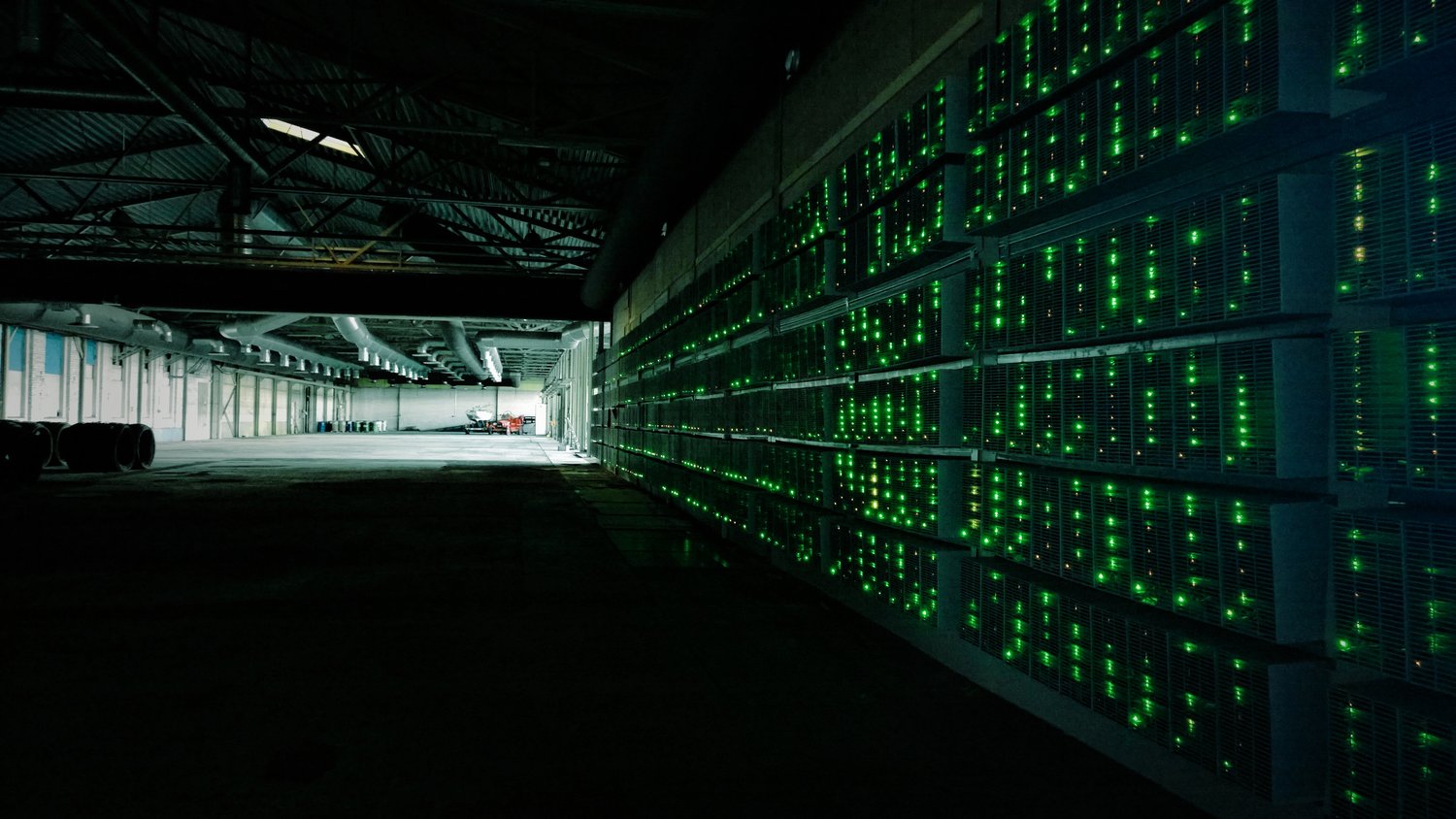
Four Thousand Tonnes and No API
SEPTEMBER 26, 2026, 2:47 PM
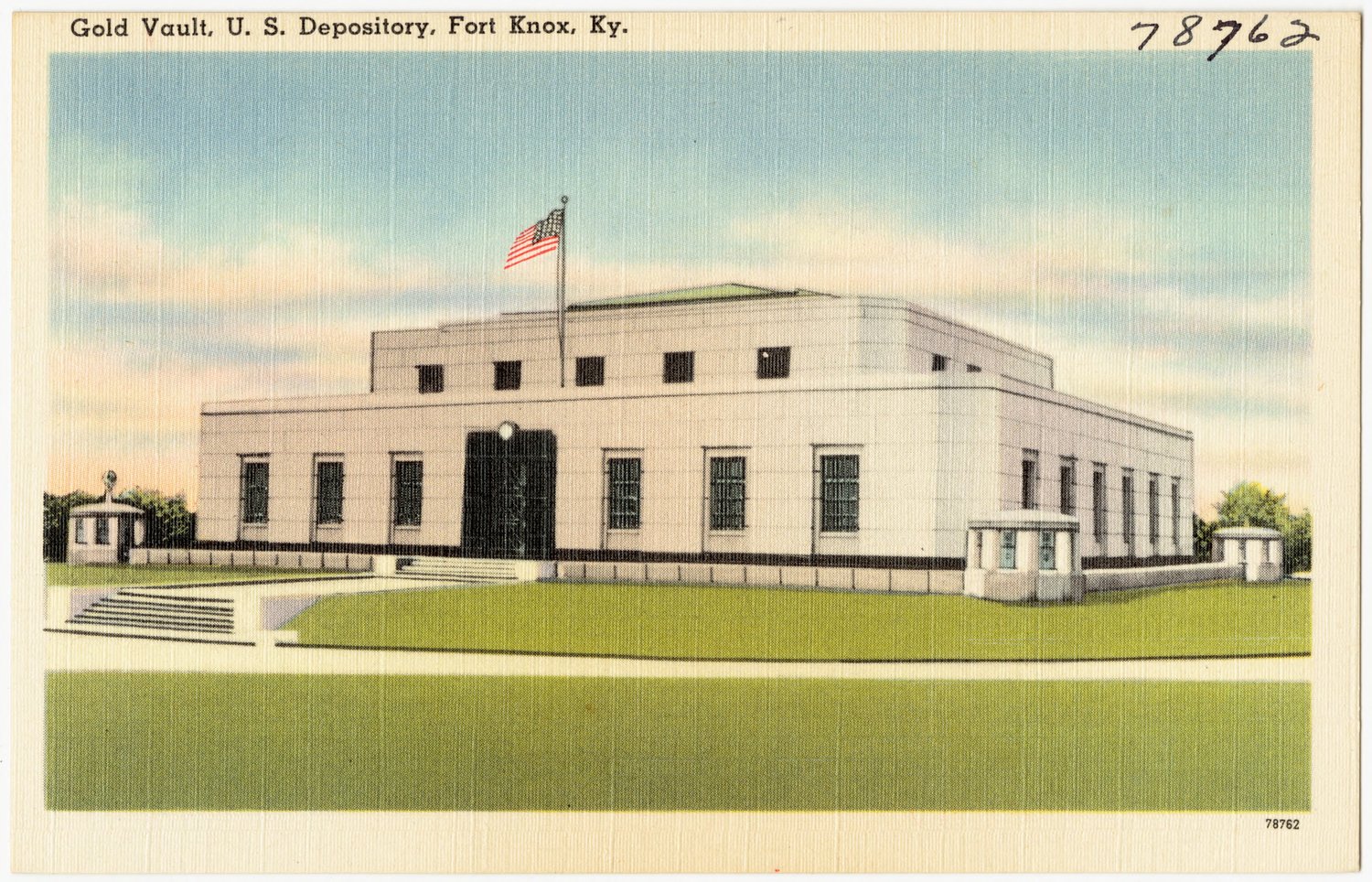
Spun off from Eighteen Months and Twenty-One Million when discussing what protects a person, a company, or an AI agent's own treasury from currency debasement, the thesis is straightforward and worth stating plainly before the data: gold already does the "neutral reserve asset no single government controls" job for central banks. Bitcoin's argument isn't that it replaces gold — it's that it could eventually do the same job faster, more divisibly, and without a bonded shipment. Whether that's actually happening yet is the real question.
What Reserve Managers Are Actually Doing With Gold
The clearest measured signal isn't a survey, it's revealed preference — and it isn't a smooth line, which is worth showing rather than rounding away. Central banks bought more than 4,000 tonnes of gold between 2022 and early 2026, including 863 tonnes in 2025 alone — the largest sustained institutional accumulation in modern financial history. Then Q1 2026 broke that pattern: only 57 tonnes, the weakest first quarter since 2022, as Turkey, Russia, and Azerbaijan turned net sellers. Q2 2026 snapped back hard — 289 tonnes, the highest second quarter on record, a 62% jump year-over-year, led by Poland's National Bank (+51 tonnes, to 632 tonnes total) and China's largest single-quarter purchase since late 2023 (+33 tonnes, to 2,346 tonnes). Even with that rebound, H1 2026's combined 345 tonnes was still the lowest first-half total since 2022 — so the honest read is a real wobble, not a broken trend: three specific sellers interrupted the run, and the underlying buyers came back fast once they stopped. Gold surpassed U.S. Treasuries as a share of official reserves in 2025, though that's mostly a price effect from gold's own rally and shouldn't be over-read as proof of active dollar-selling on its own. Meanwhile the dollar's own share of global foreign-exchange reserves sat at 57.13% in Q1 2026, per the IMF's COFER data — down from roughly 71% at the turn of the millennium, though this particular quarter's small uptick was mostly currency-valuation noise rather than fresh dollar buying. Reserve managers, whose entire job is not losing their government's money, have spent four straight years being net buyers of an asset that isn't anyone's liability. That's the closest thing to a vote of no confidence a central bank casts in public, and it's real regardless of what Bitcoin ever does.
Where Sovereign Bitcoin Actually Stands, Not Where It's Rumored to Stand
This part of the thesis is no longer purely hypothetical, and it deserves an honest accounting of exactly how far it's gone. The United States established a Strategic Bitcoin Reserve by executive order on March 6, 2025, declaring Bitcoin a reserve asset and directing that existing seized holdings not be sold. By February 2026, total U.S. government Bitcoin holdings had grown to around 328,372 BTC. But operationalizing it has stalled — as of mid-2026, inter-agency disputes between Treasury and Commerce over custody and control were still delaying full implementation. Having a reserve on paper and having a functioning, actively-managed one are different things, and right now the U.S. has more of the former.
Smaller states have moved further in practice, if not in scale. El Salvador holds roughly 7,500 BTC but stopped purchasing in February 2025 under the terms of its $1.4 billion IMF deal — adoption without ongoing accumulation. Bhutan has built an estimated 6,000 BTC reserve almost entirely through state-run mining, explicitly monetizing electricity that would otherwise go to waste, with officials stating the holdings will "never, never be sold." None of this is remotely close to gold's 4,000-tonne, multi-decade central-bank buying program in scale. It's real, it's growing, and it's the actual current state rather than a projection.
Why "Gold with an API" Is the Right Frame, Not Just a Slogan
Gold's advantages as a neutral reserve asset are also its logistical burden: verifying it requires an assay, moving it requires bonded shipment and insurance, and settling a large international transfer in physical gold takes days to weeks. Bitcoin can settle a comparable transfer in about ten minutes, verify itself cryptographically without a assayer, and divide to eight decimal places without melting anything. The supply side of that same contrast is worth spelling out too: this site's own standing board of the world's biggest assets carries gold's supply as a genuine estimate and Bitcoin's as an exact, independently-computable count — not a difference in degree, a difference in kind. For a country that wants to settle with a counterparty it doesn't want routed through a dollar-clearing bank or SWIFT, that's a genuine mechanical advantage over gold, not just a technological novelty. It doesn't make Bitcoin more proven than gold — gold has millennia of trust that Bitcoin has to earn one cycle at a time — it makes the pitch a real engineering claim rather than a marketing one.
What Would Actually Move This Piece Forward
Not a forced verdict — the specific things worth watching for next:
- A G20-scale central bank (not a small state) formally adding Bitcoin to disclosed reserves, or the U.S. Strategic Bitcoin Reserve actually resolving its Treasury/Commerce custody dispute and beginning active acquisition.
- A meaningful volume of real cross-border, business-to-business settlement happening over Lightning or a comparable rail, rather than pilot-scale announcements.
- The next few IMF COFER prints, to see whether the dollar's reserve share resumes its multi-decade decline or the recent uptick holds.
- Whether H2 2026 extends Q2's record rebound or reverts toward Q1's weakness — the underlying multi-year buying trend survived one quarter of specific sellers, but one more data point either way says more than this piece can yet.
Where I Could Be Wrong
- El Salvador and Bhutan's combined ~13,500 BTC is genuinely small next to gold's reserve role — I don't want this piece read as implying sovereign Bitcoin adoption is further along than it is. It's real and early, not real and large.
- The U.S. Strategic Bitcoin Reserve's existence on paper is a meaningfully different claim than an operating, actively-managed reserve. I've tried to keep that distinction explicit rather than letting the executive order stand in for actual implementation.
- Gold surpassing Treasuries in official reserves in 2025 is largely a price effect, not proof of active reallocation — repeating that caveat here since it's central to this piece's own argument, not just a footnote.
- "Gold with an API" is my framing of the mechanical advantage, not evidence that central banks are actually weighing it that way internally — I have no reporting on how any specific reserve manager is thinking about this trade-off.